In the realm of modern vehicle safety technology, Electronic Stability Control (ESC) stands out as a crucial innovation designed to enhance driver control and prevent accidents. This advanced system plays a vital role in maintaining vehicle stability, particularly during challenging driving conditions such as wet or icy roads. By continuously monitoring the vehicle's trajectory and the driver's steering input, the ESC system can detect when a vehicle begins to skid or lose traction, allowing it to intervene before a potential accident occurs. The primary function of the ESC system is to assist drivers in maintaining control of their vehicles during sudden maneuvers or adverse conditions. When the system identifies a discrepancy between the driver's intended direction and the actual path of the vehicle, it activates corrective measures.
These measures often include selectively applying brakes to individual wheels and adjusting engine power, effectively guiding the vehicle back on course. This proactive approach not only helps prevent skidding but also significantly reduces the risk of rollovers and other serious accidents. As we delve deeper into the mechanics of Electronic Stability Control , it becomes evident that this technology is not merely an add-on feature but a fundamental component of modern automotive safety. With statistics showing that vehicles equipped with ESC are substantially less likely to be involved in fatal accidents, understanding how this system operates is essential for every driver. In the following sections, we will explore the intricate workings of ESC, its benefits, and why it has become a standard feature in most new vehicles.
How ESC Works: The Mechanics Behind Stability
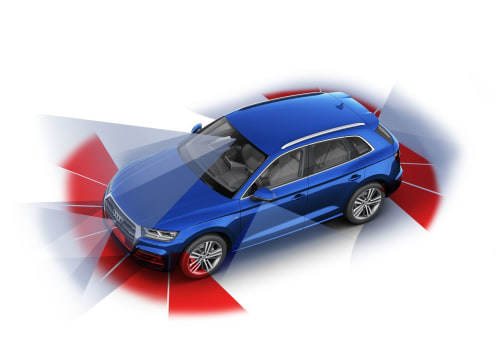
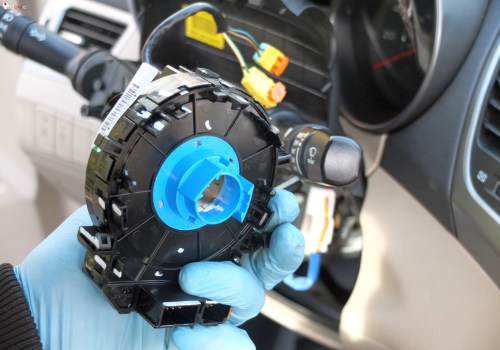
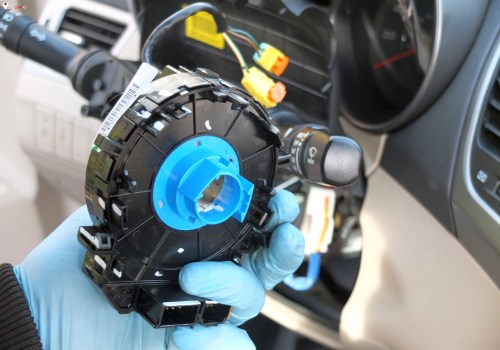
The Electronic Stability Control (ESC) system operates through a sophisticated network of sensors, algorithms, and components designed to enhance vehicle stability, particularly during skidding.Understanding how this technology works is essential for appreciating its role in modern vehicle safety. At the heart of the ESC system are various sensors that continuously monitor the vehicle's dynamics. These include:
- Steering Angle Sensor: This sensor measures the angle of the steering wheel, providing data on the driver's intended direction.
- Yaw Rate Sensor: This component detects the vehicle's rotation around its vertical axis, helping to determine if the car is skidding or losing control.
- Wheel Speed Sensors: Located at each wheel, these sensors monitor the speed of rotation, allowing the system to identify differences in traction between wheels.
- Targeted Wheel Braking: The ESC can apply brakes to individual wheels.
For instance, if the rear wheels are skidding, it may apply brakes to one of them to help realign the vehicle with its intended path.
- Engine Power Reduction: In addition to braking, the system may reduce engine power to prevent further acceleration during a skid, allowing for better control.
The Role of Sensors in ESC Functionality
In the realm of Electronic Stability Control (ESC), sensors play a pivotal role in ensuring vehicle safety and stability.These sensors continuously monitor various parameters to detect any signs of skidding or loss of control, allowing the ESC system to intervene promptly. One of the primary sensors used in ESC systems is the yaw rate sensor. This sensor measures the vehicle's rotation around its vertical axis, providing critical data on how much the vehicle is turning. If the yaw rate sensor detects that the vehicle is rotating more than what the steering input suggests, it indicates a potential skid. This information is crucial for the ESC system to determine whether corrective actions are necessary. Another essential component is the steering angle sensor.
This sensor tracks the position and angle of the steering wheel, allowing the ESC system to compare the driver's intended direction with the actual path of the vehicle. If there is a discrepancy between these two inputs, it signals that the vehicle may be losing traction and could be skidding. Additionally, wheel speed sensors are integral to the functionality of ESC systems. These sensors monitor the speed of each wheel individually, providing real-time data on traction levels. If one or more wheels begin to spin faster than others—indicative of a loss of grip—the ESC can apply brakes selectively to those wheels, helping to regain control. The combination of these sensors allows for a comprehensive assessment of vehicle dynamics.
When a skid is detected, the ESC system can take immediate corrective actions, such as:
- Targeted braking: Applying brakes to specific wheels to counteract skidding.
- Engine power reduction: Lowering engine output to help regain traction.
- Adjusting throttle response: Modifying how quickly power is delivered to the wheels.
Corrective Actions Taken by ESC During Skidding
When a vehicle begins to skid, the Electronic Stability Control (ESC) system springs into action to help regain control. This advanced safety feature is designed to detect loss of traction and implement corrective measures to stabilize the vehicle. The primary actions taken by the ESC system during skidding include targeted wheel braking and engine power reduction.Targeted Wheel Braking
- The ESC system utilizes sensors to monitor the vehicle's direction and wheel speed continuously.
When it detects that the vehicle is skidding—such as when the rear wheels lose grip while turning—it can apply brakes to individual wheels.
- This selective braking helps counteract the skid by applying force to the wheel that has traction, effectively pulling the vehicle back into alignment with the driver's intended path.
- For instance, if the rear of the car is sliding to the left, the ESC may apply the brakes on the right front wheel. This action helps pivot the vehicle back toward its intended direction, allowing for smoother recovery from a skid.
Engine Power Reduction
- In addition to braking, the ESC system can also reduce engine power. By limiting acceleration, it prevents further loss of traction that could exacerbate the skid.
- This reduction in power allows drivers to regain control without overwhelming the tires, which is especially crucial in slippery conditions where excessive throttle can lead to a complete loss of control.
Understanding how these mechanisms work can empower drivers to trust their vehicles' capabilities and respond appropriately when faced with skidding situations.
The Relationship Between ESC and Other Safety Systems
Understanding the relationship between the Electronic Stability Control (ESC) system and other vehicle safety technologies, such as the Anti-lock Braking System (ABS) and Traction Control System (TCS), is crucial for grasping how modern vehicles maintain safety and control under various driving conditions. The ESC system is designed to enhance vehicle stability by detecting and reducing loss of traction. It works in conjunction with ABS and TCS, each serving a unique purpose:- Anti-lock Braking System (ABS): This system prevents the wheels from locking up during hard braking, allowing the driver to maintain steering control. When a driver applies the brakes forcefully, ABS modulates brake pressure to prevent wheel lock, which can lead to skidding.
- Traction Control System (TCS): TCS helps prevent wheel spin during acceleration. It monitors the speed of each wheel and reduces engine power or applies brakes to individual wheels when it detects that one or more wheels are slipping.
This is particularly useful in slippery conditions.
Understanding how these systems work together can empower drivers to appreciate the advanced safety features in their vehicles and encourage safer driving practices.
Real-World Scenarios: When Does ESC Activate?
Understanding when the Electronic Stability Control (ESC) system activates is crucial for drivers who want to enhance their safety on the road. This advanced technology is designed to intervene during specific driving conditions that may lead to a loss of control. Here are some real-world scenarios where ESC activation can be particularly beneficial:- Wet or Slippery Roads: Rain, snow, or ice can significantly reduce tire traction. When a driver accelerates or turns on these surfaces, the ESC system monitors wheel speed and steering input.
If it detects that the vehicle is skidding or sliding, it will automatically apply brakes to individual wheels and reduce engine power to help regain control.
- Sharp Turns: Navigating a sharp curve at high speed can lead to oversteering or understeering. In such cases, if the ESC senses that the vehicle is not following the intended path, it will engage to correct the trajectory by selectively braking wheels and adjusting engine output.
- Sudden Maneuvers: Unexpected obstacles on the road may require quick evasive actions. Whether swerving to avoid an animal or another vehicle, the ESC system can detect any loss of traction during these sudden maneuvers and intervene to stabilize the vehicle.
- Uneven Terrain: Driving on gravel roads or uneven surfaces can lead to instability. If a driver encounters a pothole or a bump that causes one side of the vehicle to lift, the ESC system can activate to prevent skidding by applying brakes as needed.
They continuously monitor vehicle dynamics, making real-time adjustments as necessary. For instance, during heavy rain, even slight steering inputs can trigger the ESC if it detects potential skidding. Moreover, many modern vehicles come equipped with advanced sensors that enhance the effectiveness of ESC systems. These sensors provide data on wheel speed, steering angle, and lateral acceleration, allowing for quicker and more precise interventions. As a result, drivers can feel more confident navigating challenging conditions knowing that their vehicle is equipped with this life-saving technology. Ultimately, understanding when and how ESC activates can empower drivers to make safer choices behind the wheel.
By recognizing these real-world scenarios, drivers can appreciate the importance of maintaining their vehicle's ESC system and ensuring it functions correctly for optimal safety.
Limitations and Considerations of ESC Systems
While the Electronic Stability Control (ESC) system is a significant advancement in vehicle safety, it is essential to understand its limitations and potential drawbacks. Awareness of these factors can help drivers make informed decisions and maintain control in challenging driving conditions.1.Situations Where ESC May Not Function Optimally
- Extreme Weather Conditions: Although ESC is designed to assist in maintaining control, it may struggle in severe weather conditions such as heavy rain, snow, or ice. In these scenarios, the system's sensors might not accurately detect the vehicle's traction loss, leading to delayed or ineffective responses.
- Off-Road Driving: ESC systems are primarily calibrated for on-road conditions. When driving off-road or on uneven terrain, the system may not perform as intended, potentially resulting in loss of control.
- Tire Condition: Worn or improperly inflated tires can significantly affect the performance of the ESC system.
If tires lack adequate grip, the system may not be able to compensate effectively for skidding or loss of traction.
2.Potential Drawbacks of Electronic Stability Control
- Driver Overreliance: One of the most significant concerns with ESC is that drivers may become overly reliant on the system. This overconfidence can lead to risky driving behaviors, such as taking corners too quickly or neglecting to adjust driving habits in adverse conditions.
- False Sense of Security: While ESC can enhance safety, it does not eliminate the risk of accidents entirely. Drivers should remain vigilant and aware that even with ESC, they can still lose control under certain circumstances.
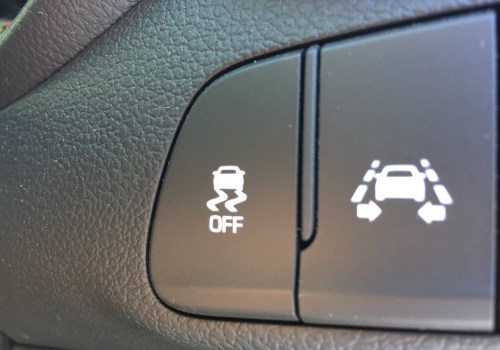
- System Malfunctions: Like any technology, ESC systems can malfunction. If a driver notices warning lights indicating a problem with the ESC, it is crucial to have the system inspected by a qualified mechanic promptly.
3.When ESC May Fail
- High-Speed Maneuvers: At high speeds, especially during sharp turns or sudden lane changes, the ESC may not react quickly enough to prevent skidding.
- Braking and Acceleration Simultaneously: Engaging both braking and acceleration at the same time can confuse the system, leading to ineffective stabilization efforts.
- System Limitations: Each manufacturer designs their ESC systems differently; thus, performance can vary significantly between vehicles.
Understanding your specific vehicle's capabilities is essential for safe driving.
The Importance of Regular Maintenance for ESC Systems
Maintaining your vehicle's Electronic Stability Control (ESC) system is crucial for ensuring optimal performance and safety on the road. Regular maintenance not only enhances the effectiveness of the ESC but also contributes to the overall reliability of your vehicle. Here are some essential tips for maintaining your ESC system:- Regular Inspections: Schedule routine inspections with a qualified mechanic who understands the intricacies of ESC systems.
They can check for any warning lights on your dashboard, such as the ESC indicator, which may signal a malfunction.
- Brake System Maintenance: Since ESC relies heavily on the vehicle's braking system, ensure that your brakes are in good condition. Regularly check brake pads, rotors, and fluid levels to prevent any issues that could affect ESC performance.
- Tire Health: Proper tire maintenance is vital for the effectiveness of the ESC system. Ensure that your tires are properly inflated and have adequate tread depth. Uneven tire wear can lead to loss of traction, which may hinder the ESC's ability to function correctly.
- Software Updates: Some vehicles may require software updates for their ESC systems.
Check with your dealership or manufacturer for any available updates that can enhance system performance.
- Battery Condition: A weak or failing battery can impact various electronic systems in your vehicle, including ESC. Regularly test your battery and replace it as needed to ensure all systems operate smoothly.
By following these maintenance tips and staying proactive about vehicle care, you can ensure that your ESC system functions effectively, providing you with enhanced stability and control while driving.
<strong>Conclusion</strong>: The Critical Role of ESC in Vehicle Safety
In summary, the Electronic Stability Control (ESC) system plays a pivotal role in enhancing vehicle safety by actively preventing skidding and loss of control. As we have explored, this advanced technology continuously monitors various parameters of the vehicle's dynamics, including steering angle, wheel speed, and lateral acceleration. By doing so, it can detect when a vehicle is veering off its intended path, whether due to slippery conditions or abrupt maneuvers. When the ESC system identifies a potential skid, it intervenes by employing a combination of techniques. These include:- Targeted Wheel Braking: The system can apply brakes to individual wheels to help steer the vehicle back on course.
For instance, if the rear wheels are sliding out during a turn, ESC may apply the brakes to the outer front wheel to counteract the skid.
- Engine Power Reduction: In addition to braking, ESC can also reduce engine power to help regain traction. This is particularly useful in scenarios where excessive acceleration could exacerbate a loss of control.
Regular maintenance checks are advisable to ensure that the system is operating correctly. If warning lights related to ESC appear on the dashboard, it is crucial to consult a qualified mechanic promptly. In conclusion, the ESC system is not just an optional feature; it is a critical component of modern vehicle safety that significantly enhances driver control and reduces the likelihood of accidents caused by skidding. As technology continues to evolve, understanding and utilizing these systems will be vital for all drivers aiming for safer road experiences.