Electronic Stability Control, commonly referred to as ESC, is a crucial safety feature in modern vehicles designed to enhance driver control and prevent accidents. This advanced system works by automatically applying brakes to individual wheels when it detects a loss of traction, helping to maintain the vehicle's intended path during challenging driving conditions. Whether navigating sharp turns, slippery roads, or sudden maneuvers, the ESC system plays a vital role in ensuring stability and safety. The importance of the ESC system cannot be overstated. It serves as a safeguard against skidding and rollovers, particularly in adverse weather conditions such as rain, snow, or ice.
By continuously monitoring various parameters like wheel speed, steering angle, and lateral acceleration, the ESC system can intervene when it senses that the vehicle is veering off course. This proactive approach not only aids in preventing potential accidents but also instills confidence in drivers, allowing them to navigate difficult situations with greater assurance. Understanding how the ESC system operates is essential for every vehicle owner. When the ESC light illuminates on your dashboard, it serves as an important indicator of the system's status. A steady light may suggest that the system is actively engaged in maintaining control, while a persistent illumination could indicate a malfunction or that the system has been disabled.
Recognizing these signals can help drivers take appropriate action to ensure their safety and that of others on the road.
What Does the ESC Light Indicate?
The ESC light , or Electronic Stability Control light, serves as a crucial indicator of your vehicle's stability management system. When this light illuminates on your dashboard, it can signify a range of conditions, from normal operation to potential issues that require immediate attention. Under typical circumstances, the ESC light will briefly activate when you start your vehicle. This is a normal part of the system's self-check process, ensuring that all components are functioning correctly. However, if the ESC light remains illuminated while driving, it indicates that the system has detected a problem. , or Electronic Stability Control light, serves as a crucial indicator of your vehicle's stability management system. When this light illuminates on your dashboard, it can signify a range of conditions, from normal operation to potential issues that require immediate attention. Under typical circumstances, the ESC light will briefly activate when you start your vehicle. This is a normal part of the system's self-check process, ensuring that all components are functioning correctly. However, if the ESC light remains illuminated while driving, it indicates that the system has detected a problem.Common Reasons for ESC Light Activation
-
System Malfunction: If the ESC light stays on continuously, it may suggest a malfunction within the system itself.
This could be due to faulty sensors or issues with the control module.
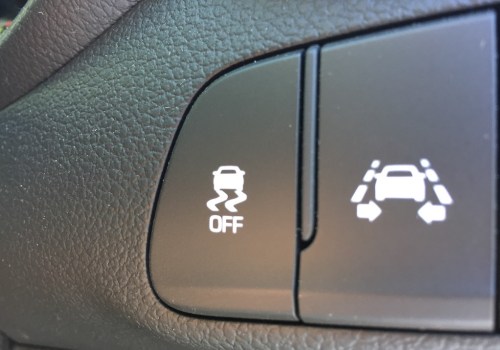
- Manual Deactivation: In some vehicles, the ESC can be manually turned off, often via a button on the dashboard. If this is the case, reactivating the system should turn off the light.
- Wheel Speed Sensor Issues: The ESC relies heavily on data from wheel speed sensors to function correctly. If one or more of these sensors are malfunctioning or disconnected, it can trigger the ESC light.
-
Traction Control Activation: During slippery conditions, the ESC may engage to help maintain control. In such cases, you might see the light flash intermittently as the system applies brakes to individual wheels.
However, if it stays on continuously during these conditions, further investigation is warranted.
Common Reasons for an Illuminated ESC Light
When the ESC light illuminates on your dashboard, it serves as a crucial indicator that something may be amiss with your vehicle's electronic stability control system.Understanding the common reasons behind this warning light can help you diagnose potential issues and take appropriate action. Here are some of the most frequent causes:
- Manual Deactivation: One of the simplest reasons for an illuminated ESC light is that the system has been manually turned off. Many vehicles come equipped with a button or switch that allows drivers to disable the ESC system, often for specific driving conditions such as off-roading or racing. If you notice the ESC light is on, check your vehicle's manual for instructions on how to reactivate it.
-
Faulty Wheel Speed Sensors: The ESC system relies heavily on accurate data from wheel speed sensors to determine if any wheels are slipping or losing traction.
If one or more of these sensors are malfunctioning or providing incorrect readings, it can trigger the ESC light. This issue may require diagnostic tools to identify which sensor is faulty and needs replacement.
- Brake System Issues: Since the ESC system works in conjunction with your vehicle's braking system, any problems here can also cause the ESC light to activate. This could include low brake fluid levels, worn brake pads, or issues with the anti-lock braking system (ABS). Regular maintenance checks can help prevent these issues from arising.
-
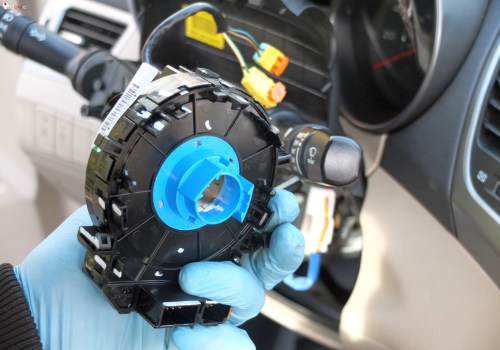
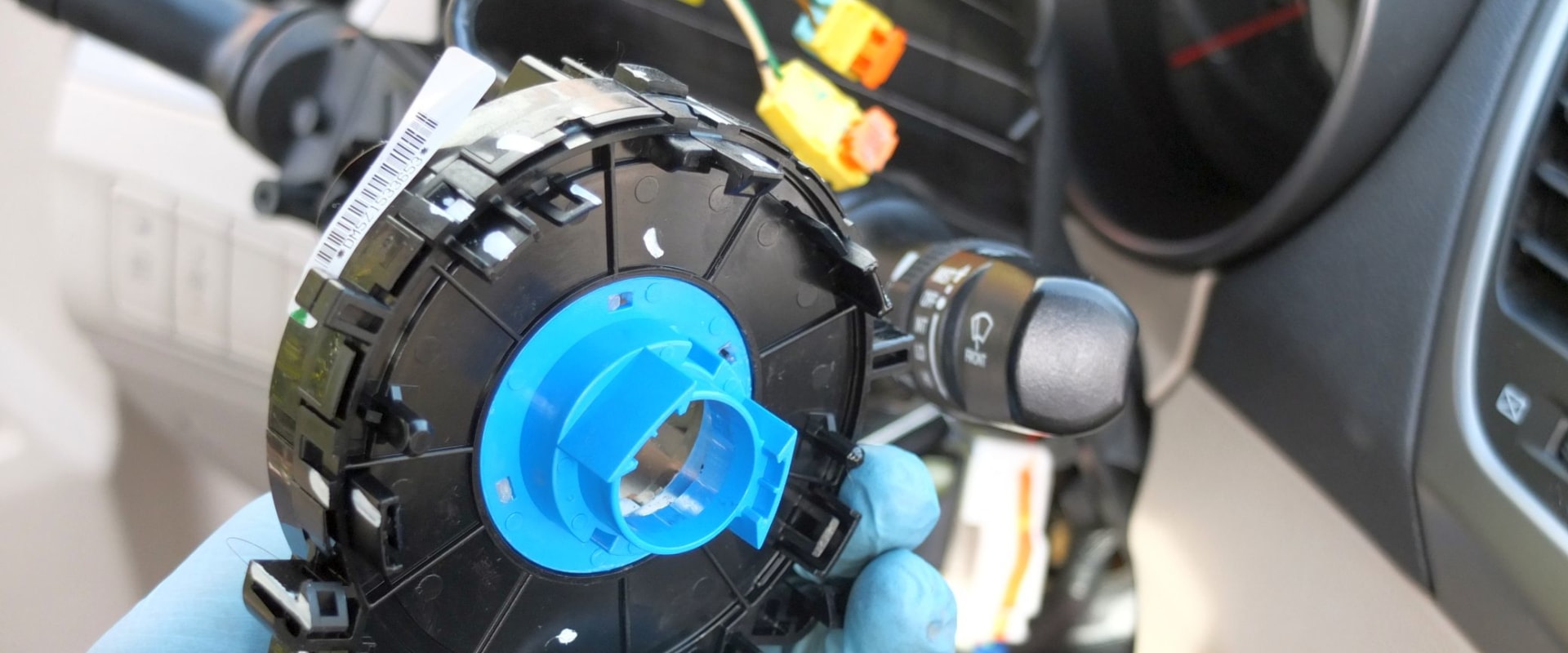
Steering Angle Sensor Malfunction: The steering angle sensor plays a vital role in helping the ESC system understand how much steering input is being applied.
If this sensor fails or provides inaccurate data, it can lead to an illuminated ESC light. Diagnosing this issue typically requires specialized equipment to recalibrate or replace the sensor.
How to React When the ESC Light Stays On
When the ESC light remains illuminated on your dashboard, it’s crucial to take immediate action to ensure your safety and the safety of others on the road. Here are some practical steps to follow:-
Stay Calm: The first step is to remain calm.
Panic can lead to poor decision-making. Understand that the ESC system is designed to help you maintain control of your vehicle.
- Assess Your Driving Conditions: If you notice the ESC light on while driving, evaluate the road conditions. Are you driving on wet, icy, or uneven surfaces? If so, reduce your speed and increase your following distance from other vehicles.
- Check for Other Warning Lights: Pay attention to any other warning lights that may be illuminated alongside the ESC light. This could indicate a more serious issue with your vehicle that requires immediate attention.
-
Avoid Sudden Maneuvers: While driving with the ESC light on, avoid sudden turns or sharp braking.
These actions can exacerbate any loss of control and may lead to an accident.
- Pull Over Safely: If the ESC light remains on after a few minutes of driving, find a safe place to pull over. Turn off your engine and restart it after a few moments. Sometimes, this can reset the system.
- Consult Your Owner’s Manual: Refer to your vehicle’s owner’s manual for specific guidance related to the ESC system in your car. Different manufacturers may have unique protocols for handling such situations.
-
Seek Professional Help: If the ESC light stays on after restarting your vehicle or if you experience any unusual handling characteristics, it’s essential to have your vehicle inspected by a qualified mechanic as soon as possible.
Ignoring this warning could lead to more significant issues down the line.
Driving with the ESC Light On
If you find yourself driving with the ESC light illuminated, it’s important to proceed with caution. The ESC system is designed to assist in maintaining traction and stability; however, if it is malfunctioning, you may not have that support when needed most. Here are some safety tips:
- Reduce Speed: Lowering your speed can help maintain control of your vehicle, especially in adverse weather conditions.
- Avoid Distractions: Stay focused on the road and avoid distractions such as mobile devices or adjusting controls while driving.
- Be Prepared for Skidding: If you feel your vehicle starting to skid or lose traction, gently steer into the skid and avoid slamming on the brakes.
The Role of Wheel Speed Sensors in the ESC System
Wheel speed sensors are integral components of the Electronic Stability Control (ESC) system, playing a crucial role in maintaining vehicle stability and control.These sensors monitor the rotational speed of each wheel, providing real-time data to the vehicle's onboard computer. This information is essential for the ESC system to function effectively, as it helps determine whether the vehicle is experiencing loss of traction or skidding. When the ESC system is activated, it relies heavily on the data from these sensors to assess the vehicle's dynamics. If one or more wheels are spinning at different speeds—indicating potential loss of traction—the ESC system can intervene by applying brakes to individual wheels or adjusting engine power. This corrective action helps prevent skidding and maintains control during challenging driving conditions.
How Wheel Speed Sensors Affect ESC Performance
The performance of the ESC system is directly linked to the accuracy and functionality of the wheel speed sensors.If these sensors are functioning correctly, they provide precise information that allows the ESC to make timely adjustments. However, if a sensor malfunctions or provides erroneous readings, it can lead to several issues:
- False Activation: A faulty sensor may cause the ESC system to activate unnecessarily, leading to unexpected braking or power adjustments.
- Delayed Response: Inaccurate readings can delay the ESC's response time, increasing the risk of losing control in slippery conditions.
- ESC Light Illumination: When a wheel speed sensor fails, it often triggers the ESC light on the dashboard, alerting the driver to a potential issue with the stability control system.
Common Sensor Issues and Their Impact on the ESC Light
Several factors can contribute to wheel speed sensor issues, including:- Dirt and Debris: Accumulation of dirt or debris on the sensor can obstruct its ability to accurately measure wheel speed.
- Wiring Problems: Damaged or corroded wiring can disrupt communication between the sensor and the vehicle's computer.
- Sensor Wear and Tear: Over time, sensors can wear out due to exposure to harsh driving conditions, leading to inaccurate readings.
When to Seek Professional Help for Your ESC System
Understanding when to seek professional help for your ESC system is crucial for maintaining vehicle safety and performance.While some minor issues may be manageable at home, there are specific scenarios where consulting a qualified mechanic is essential.
1.Persistent ESC Light
If the ESC light remains illuminated on your dashboard after starting your vehicle, it is a clear indication that something is amiss. This light should typically turn off shortly after ignition. If it stays on, it could signify a malfunction within the system or that the system has been manually disabled. Ignoring this warning can lead to compromised vehicle control, especially in adverse driving conditions.
2.Unusual Vehicle Behavior
Should you notice any unusual behavior from your vehicle, such as difficulty in steering, unexpected braking, or loss of traction, it’s time to consult a professional.
The ESC system is designed to assist in maintaining control during challenging driving situations. If it fails to do so, it may indicate a serious underlying issue that requires expert diagnosis.
3.Inconsistent Performance
If your vehicle's performance seems inconsistent—such as the ESC light flashing intermittently while driving—it’s advisable to have it checked by a mechanic. This could suggest that the system is attempting to correct a problem but is unable to do so effectively.
4.Recent Repairs or Modifications
If you’ve recently had repairs or modifications done to your vehicle, particularly involving the braking or suspension systems, it’s wise to have the ESC system evaluated. Changes in these areas can impact how the ESC functions, and a professional can ensure everything is working harmoniously.
5.Regular Maintenance Checks
Incorporating regular maintenance checks into your vehicle care routine can help catch potential issues with the ESC system before they escalate.
Mechanics can perform diagnostic tests that identify problems with wheel speed sensors or other components critical to the ESC's operation.
Conclusion
Your safety on the road should always be a priority. If you experience any of the above scenarios regarding your ESC system, don’t hesitate to seek professional help. A qualified mechanic can provide a thorough diagnosis and recommend appropriate repair options, ensuring that your vehicle remains safe and reliable.
Preventive Maintenance for Your Vehicle's ESC System
Maintaining your vehicle's Electronic Stability Control (ESC) system is crucial for ensuring optimal performance and safety on the road. Regular preventive maintenance can help you avoid costly repairs and enhance the longevity of your vehicle's stability features.Here are some essential tips to keep your ESC system functioning effectively:
- Regularly Check Wheel Speed Sensors: The wheel speed sensors play a vital role in the ESC system by providing real-time data about the speed of each wheel. Inspect these sensors periodically for any signs of damage or disconnection. If you notice any irregularities, have them checked by a professional.
-
Monitor Tire Condition: Proper tire maintenance is essential for the ESC system to function correctly. Ensure that your tires are properly inflated, have adequate tread depth, and are free from any visible damage.
Uneven tire wear can affect the accuracy of the wheel speed sensors, leading to potential ESC malfunctions.
- Maintain Brake System: The ESC system relies heavily on the vehicle's braking system to maintain control during slippery conditions. Regularly inspect your brakes, including pads, rotors, and fluid levels. Replace worn components promptly to ensure that your ESC can respond effectively when needed.
-
Keep Software Updated: Many modern vehicles come equipped with advanced software that controls the ESC system. Check with your dealership or manufacturer for any software updates that may improve the functionality of your ESC system.
Keeping your vehicle's software up to date can prevent potential issues.
- Perform Routine Inspections: Schedule regular inspections with a qualified mechanic who understands the intricacies of the ESC system. They can perform diagnostic tests to identify any underlying issues before they escalate into significant problems.
Frequently Asked Questions About the ESC System
Understanding the Electronic Stability Control (ESC) system can be crucial for maintaining vehicle safety and performance. Below are some frequently asked questions that address common concerns and troubleshooting tips related to the ESC light.What does it mean if the ESC light is on?
If the ESC light illuminates on your dashboard, it typically indicates that the system is actively working to help maintain traction and stability.However, if the light remains on continuously, it may suggest a malfunction within the system or that it has been manually disabled. In such cases, it is advisable to consult your vehicle's manual or a professional mechanic.
How can I troubleshoot an ESC light that stays on?
- Check for Manual Deactivation: Some vehicles have a button to disable the ESC system. Ensure that this button has not been pressed inadvertently.
- Inspect Wheel Speed Sensors: Faulty wheel speed sensors are a common cause of an illuminated ESC light. If these sensors are malfunctioning, they may send incorrect data to the ESC system.
-
Examine Brake System: Since ESC works in conjunction with your vehicle's braking system, any issues with brakes can affect ESC functionality.
Look for warning lights related to brakes as well.
- Scan for Error Codes: Using an OBD-II scanner can help identify specific error codes related to the ESC system, providing insight into what might be wrong.
Is it safe to drive with the ESC light on?
While it may be safe to drive with the ESC light on temporarily, it is not advisable to ignore it for long periods. The ESC system plays a vital role in maintaining vehicle control, especially in slippery conditions. If you notice that the light stays on consistently, it's best to have your vehicle inspected by a qualified technician.Can I reset the ESC light myself?
In some cases, you may be able to reset the ESC light by disconnecting the battery for a few minutes. However, this does not address any underlying issues that may have caused the light to activate in the first place.It is recommended to diagnose and fix any problems before attempting a reset.
What should I do if my vehicle's handling feels off?
If you notice changes in your vehicle's handling, such as difficulty steering or unusual braking behavior, it could indicate a problem with the ESC system or other related components. In such situations, it's crucial to seek professional assistance immediately to ensure your safety on the road.Conclusion: Key Takeaways About Your Vehicle's ESC System
Understanding the Electronic Stability Control (ESC) system is crucial for every vehicle owner. The ESC light serves as an important indicator of your vehicle's stability and control capabilities. When this light remains illuminated, it signifies that the system is either malfunctioning or has been manually disabled, which can compromise your safety on the road. Here are some key takeaways to remember:-
Functionality of the ESC System: The primary role of the ESC system is to help maintain vehicle control during challenging driving conditions.
It works by applying brakes to individual wheels and adjusting engine power when it detects a loss of traction.
- Common Causes for the ESC Light: If the ESC light stays on, it could be due to several factors, including:
- Manual deactivation of the system.
- Faulty wheel speed sensors.
- Issues with the brake system.
- Low battery voltage or electrical problems.
- Immediate Actions: If you notice that the ESC light is on, it’s essential to take immediate action. Check if the system has been turned off manually using the designated button in your vehicle. If not, reduce your speed and drive cautiously until you can have the vehicle inspected by a professional.
- Regular Maintenance: Regularly scheduled maintenance can help prevent issues with your ESC system. Ensure that your vehicle's sensors and braking systems are functioning correctly to avoid unexpected malfunctions.
-
Consulting Professionals: If the ESC light persists, it’s advisable to consult a qualified mechanic or your dealership.
They can perform diagnostic tests to identify any underlying issues and recommend necessary repairs.