The Electronic Stability Control (ESC) system is a crucial safety feature in modern vehicles, designed to enhance the driver's control during challenging driving conditions. By continuously monitoring the vehicle's trajectory and comparing it to the driver's intended path, the ESC system can detect when a car begins to skid or lose traction. In such situations, it automatically applies brakes to individual wheels and adjusts engine power, helping to prevent potential accidents caused by loss of control. Understanding the importance of the ESC system is vital for every driver. It acts as a guardian, especially in adverse weather conditions like rain, snow, or ice, where the risk of skidding increases significantly.
The system is particularly beneficial during sudden maneuvers or when navigating sharp turns, where maintaining stability is essential for safe driving. While some drivers may perceive ESC as an unnecessary hindrance that limits their driving experience, its primary function is to enhance safety and prevent dangerous situations. However, there are instances when drivers might consider turning off the ESC system, especially in controlled environments like racetracks where maximum performance is desired. This raises an important question: Can I drive with the ESC off? While it may seem tempting to disable this feature for a more exhilarating driving experience, it’s crucial to weigh the risks involved. Driving without ESC can significantly increase the likelihood of losing control of the vehicle, particularly for those who may not have extensive driving experience or training. In this article, we will delve deeper into the workings of the ESC system, its benefits, and the implications of driving with it turned off.
By understanding how this technology functions and its role in vehicle safety, drivers can make informed decisions about their driving practices and ensure a safer journey on the road.
What is the ESC System?
The Electronic Stability Control (ESC) system is a crucial safety feature in modern vehicles, designed to enhance stability and control during challenging driving conditions. It works by automatically detecting and reducing loss of traction, helping drivers maintain control of their vehicles in situations where skidding or sliding might occur. At its core, the ESC system utilizes a network of sensors that monitor various aspects of the vehicle's performance. These sensors track the steering angle, wheel speed, and lateral acceleration, allowing the system to compare the driver's intended direction with the actual movement of the vehicle. When discrepancies are detected—such as when a driver attempts to turn sharply but the vehicle begins to slide—the ESC system intervenes. When activated, the ESC system can apply brakes to individual wheels or reduce engine power to help regain control.For instance, if the rear wheels start to slide out during a turn, the ESC may apply brakes to the front wheels on the opposite side to counteract the skid. This precise intervention helps prevent oversteering or understeering, which can lead to loss of control.
Benefits of the ESC System
- Enhanced Safety: The primary benefit of ESC is its ability to significantly reduce the risk of accidents caused by loss of control. Studies have shown that vehicles equipped with ESC are less likely to be involved in fatal crashes.
- Improved Handling: By maintaining traction during adverse conditions such as rain, snow, or ice, ESC allows for better handling and stability, making it easier for drivers to navigate challenging roads.
- Increased Driver Confidence: Knowing that an advanced safety system is actively working to assist in maintaining control can boost driver confidence, especially in less experienced drivers.
- Adaptability: The ESC system is designed to work seamlessly with other vehicle safety features like Anti-lock Braking Systems (ABS) and Traction Control Systems (TCS), creating a comprehensive safety net for drivers.
How Does the ESC System Work?
The Electronic Stability Control (ESC) system is a sophisticated technology designed to enhance vehicle safety by improving stability and control during challenging driving conditions.Understanding how this system operates requires a closer look at its mechanics, particularly the various sensors involved and their role in monitoring vehicle dynamics. At the heart of the ESC system are several key sensors that continuously gather data about the vehicle's performance and behavior. These sensors include:
- Yaw Rate Sensor: This sensor measures the vehicle's rotation around its vertical axis, helping to determine if the car is turning more or less than intended.
- Steering Angle Sensor: This sensor tracks the angle of the steering wheel, providing information on the driver's intended direction.
- Wheel Speed Sensors: Located at each wheel, these sensors monitor the speed of each tire, allowing the ESC system to detect differences in wheel rotation that may indicate skidding or loss of traction.
- Acceleration Sensors: These sensors measure lateral and longitudinal acceleration, helping to assess how quickly the vehicle is changing speed or direction.
This intervention helps to stabilize the vehicle and guide it back on course. The effectiveness of the ESC system lies in its ability to respond faster than a human driver can react. By continuously monitoring vehicle dynamics, it can detect subtle changes that may lead to a loss of control before they escalate into dangerous situations. This proactive approach not only enhances safety but also instills confidence in drivers, allowing them to navigate challenging conditions with greater assurance. In summary, the mechanics of the ESC system are rooted in advanced sensor technology that monitors various aspects of vehicle dynamics. By understanding how these components work together, drivers can appreciate the critical role that ESC plays in maintaining control and ensuring safety on the road.
The Risks of Driving with ESC Off
Driving with the ESC (Electronic Stability Control) system turned off can significantly increase the risks associated with vehicle control, especially in challenging driving conditions.The primary function of the ESC is to help maintain traction and stability by automatically applying brakes to individual wheels when it detects a loss of control. Without this crucial safety feature, drivers may find themselves in precarious situations that could lead to accidents. One of the most critical risks of driving without ESC is the potential for skidding. When a vehicle enters a turn too quickly or encounters slippery surfaces, such as wet or icy roads, the chances of losing traction increase dramatically. In these scenarios, the ESC acts as a safety net, helping to correct oversteering or understeering by selectively braking wheels.
Without it, a driver may struggle to regain control, leading to a spin-out or collision. Moreover, inexperienced drivers may not fully understand how their vehicle behaves under different conditions. For instance, during sudden maneuvers or emergency braking situations, the absence of ESC can exacerbate the risk of losing control. This is particularly concerning for novice drivers who may not have developed the skills necessary to handle such situations effectively. Another significant concern is the impact on stopping distances. Vehicles equipped with ESC often have shorter stopping distances in adverse conditions due to enhanced stability.
When this system is disabled, a driver may find that their vehicle takes longer to stop, increasing the likelihood of rear-end collisions or other accidents. In addition to these immediate risks, there are also long-term implications for driving behavior. Drivers who frequently disable their ESC may develop a false sense of confidence in their driving abilities, leading them to take unnecessary risks. This mindset can result in dangerous driving habits that not only endanger themselves but also other road users. In summary, while some drivers may perceive turning off the ESC as a way to enhance performance or enjoy a more 'pure' driving experience, the reality is that doing so can significantly compromise safety. The potential for loss of control, increased stopping distances, and the development of risky driving behaviors are all compelling reasons to keep this vital safety feature activated at all times.
When Might You Need to Turn Off the ESC?
While the Electronic Stability Control (ESC) system is designed to enhance vehicle safety and stability, there are specific scenarios where turning it off may be necessary or even beneficial.Understanding these situations can help drivers make informed decisions about when to disable this feature.
Off-Road Driving
One of the primary contexts in which you might consider turning off the ESC is during off-road driving. When navigating uneven terrain, such as rocky paths, mud, or steep inclines, the ESC can sometimes hinder a vehicle's performance. This is because the system may interpret wheel slippage as a loss of control and apply brakes to individual wheels, which can reduce momentum and make it difficult to traverse challenging obstacles.- Improved Traction: Disabling the ESC allows for greater wheel spin, which can be advantageous in low-traction situations. For example, when driving through deep mud or snow, spinning the wheels can help to dig down to firmer ground.
- Enhanced Maneuverability: In tight off-road situations, such as navigating around large boulders or through dense brush, having full control over throttle response without interference from the ESC can improve maneuverability.
Racing Scenarios
Another scenario where turning off the ESC may be appropriate is in racing environments.On a racetrack, drivers often seek to maximize their vehicle's performance and handling characteristics. The ESC system is designed for safety on public roads and may not account for the aggressive driving techniques employed in racing.
- Optimal Performance: In racing, drivers often need to push their vehicles to the limit. Disabling the ESC allows for more aggressive cornering and acceleration without the system intervening to reduce power or apply brakes.
- Driver Skill Development: For those looking to improve their driving skills on a track, operating without ESC can provide valuable experience in managing vehicle dynamics. It forces drivers to learn how to control slides and recover from skids without electronic assistance.
For everyday driving on public roads, keeping the ESC activated is highly recommended to ensure maximum safety and stability.
How to Reactivate the ESC System
If you find yourself in a situation where the ESC system has been turned off, reactivating it is usually a straightforward process. The method to turn the ESC back on can vary depending on the make and model of your vehicle, but there are some common steps you can follow.1.Locate the ESC Button
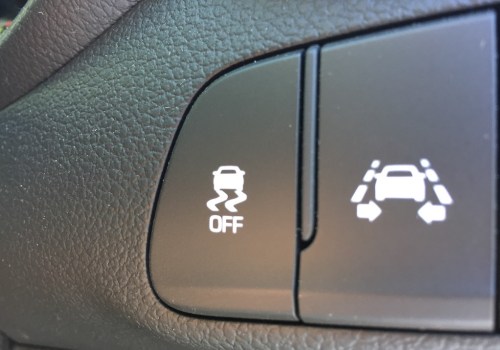
- Most vehicles equipped with an ESC system have a dedicated button on the dashboard or center console. This button may be labeled as "ESC," "ESP," or "DSC," depending on the manufacturer.
- In some models, the button might be integrated into the traction control system, so look for any symbols that resemble a car with skid marks.
- If you are having trouble finding the button, it’s best to consult your vehicle's owner's manual for specific instructions related to your model.
2.Reactivating the ESC
- Once you locate the button, simply press it to reactivate the ESC system. You should see a light on your dashboard indicating that the system is now active.
- If your vehicle has a multi-function display, you may also be able to reactivate the ESC through the settings menu.
Navigate through the options until you find the stability control settings.
3.Check for Malfunctions
- If pressing the button does not reactivate the ESC, there may be an underlying issue with the system. In this case, it’s advisable to have your vehicle inspected by a qualified technician.
- Keep an eye out for any warning lights on your dashboard that may indicate a malfunctioning ESC system. If these lights remain illuminated after attempting to reactivate it, further diagnostics will be necessary.
4.Consult Your Owner's Manual
Your owner's manual is an invaluable resource when it comes to understanding how to operate various systems in your vehicle, including the ESC system. It will provide detailed instructions tailored to your specific model and may include diagrams that show where to find the ESC button and how to use it effectively. In summary, reactivating your ESC system is typically as simple as locating and pressing a button.
However, if you encounter difficulties or warning lights persist, seeking professional assistance is crucial for ensuring your vehicle's safety and performance.
Common Misconceptions About the ESC System
The Electronic Stability Control (ESC) system is often surrounded by a cloud of misconceptions that can lead to misunderstandings about its purpose and functionality. Addressing these myths is crucial for drivers to appreciate the importance of this safety feature.Myth 1: ESC is Only for Bad Drivers
One of the most prevalent misconceptions is that the ESC system is designed solely for inexperienced or poor drivers. In reality, even the most skilled drivers can benefit from the assistance of ESC. The system acts as a safety net, helping to maintain vehicle control in challenging conditions, such as wet or icy roads.
It can intervene faster than a human can react, making it an essential tool for all drivers.
Myth 2: Turning Off ESC Improves Performance
Another common belief is that disabling the ESC will enhance a vehicle's performance, particularly in sports driving or racing scenarios. While some enthusiasts argue that turning off ESC allows for more freedom in handling, it also significantly increases the risk of losing control. The system is calibrated to optimize traction and stability, which can actually help maintain speed through corners and improve overall performance on the track.
Myth 3: ESC is the Same as ABS
Many people confuse ESC with Anti-lock Braking System (ABS). While both systems are designed to enhance vehicle safety, they serve different purposes.
ABS prevents wheel lock-up during hard braking, allowing the driver to maintain steering control. In contrast, ESC monitors the vehicle's trajectory and applies brakes to individual wheels to prevent skidding or loss of control. Understanding this distinction is vital for recognizing how each system contributes to overall vehicle safety.
Myth 4: ESC Can Replace Safe Driving Practices
Some drivers mistakenly believe that having an ESC system means they can drive recklessly without consequences. This notion is dangerous; while ESC can assist in maintaining control during unexpected situations, it cannot replace the need for responsible driving practices.
Drivers should always prioritize safe driving habits, regardless of the technology in their vehicles.
Myth 5: All Vehicles Have ESC
Lastly, there is a misconception that all modern vehicles come equipped with ESC. While it has become a standard feature in many cars, especially since regulations have mandated its inclusion in new models, not every vehicle has this technology. It's essential for consumers to check whether their specific model includes an ESC system and understand its functionality.
By debunking these common myths about the ESC system, drivers can gain a clearer understanding of its critical role in enhancing vehicle safety and performance. Embracing this knowledge not only promotes safer driving but also encourages responsible use of automotive technology.
ESC vs.
Other Safety Systems: What You Should Know When it comes to vehicle safety, understanding the various systems designed to protect drivers and passengers is crucial. Among these systems, the Electronic Stability Control (ESC) stands out as a vital component, but it often operates in conjunction with other safety technologies like the Anti-lock Braking System (ABS) and Traction Control System (TCS). Each of these systems plays a unique role in enhancing vehicle safety, and knowing how they compare can help drivers make informed decisions.
Understanding ESC, ABS, and TCS
The Electronic Stability Control (ESC) system is designed to prevent skidding and loss of control during extreme steering maneuvers. It does this by automatically applying brakes to individual wheels when it detects that the vehicle is losing traction.This intervention helps maintain the vehicle's intended path, especially in slippery conditions or during sharp turns.
Anti-lock Braking System (ABS)
, on the other hand, prevents the wheels from locking up during hard braking. When a driver applies the brakes forcefully, ABS modulates brake pressure to ensure that the wheels continue to rotate. This allows for better steering control during emergency stops, reducing the risk of skidding.
Traction Control System (TCS)
works closely with both ESC and ABS. Its primary function is to prevent wheel spin during acceleration.
If TCS detects that one or more wheels are spinning faster than others—often due to slippery surfaces—it reduces engine power or applies brakes to those wheels to regain traction.
Comparative Analysis
- Functionality: While ESC focuses on maintaining stability during cornering, ABS is primarily concerned with preventing wheel lock-up during braking. TCS complements both by managing traction during acceleration.
- Activation: ESC activates when it senses a loss of control, while ABS engages during hard braking situations. TCS kicks in when there’s excessive wheel spin.
- Impact on Driving: ESC can significantly enhance safety by preventing skids, which is particularly beneficial in adverse weather conditions. ABS improves stopping distances and steering control, while TCS ensures that drivers can accelerate safely without losing grip.
Understanding how ESC, ABS, and TCS work together can empower drivers to utilize their vehicles' safety features more effectively, ultimately leading to safer roads for everyone.
Conclusion: The Importance of Keeping Your ESC On
In conclusion, the significance of keeping your ESC system activated while driving cannot be overstated. Electronic Stability Control is not merely an optional feature; it is a critical safety mechanism designed to enhance vehicle stability and control, especially in challenging driving conditions. By understanding the role of ESC, drivers can appreciate its value in preventing accidents and maintaining control over their vehicles. Throughout this article, we have explored how the ESC system functions by utilizing a network of sensors that monitor the vehicle's movement and the driver's inputs. This technology intervenes when it detects a loss of traction, helping to correct skids and maintain directional stability.The ability of ESC to react faster than a human driver can make a significant difference in emergency situations. Moreover, while some may argue that disabling the ESC allows for a more exhilarating driving experience, it is essential to recognize the risks involved. Driving with the ESC off can lead to dangerous situations, particularly for inexperienced drivers or in adverse weather conditions. The thrill of speed should never come at the cost of safety. Here are some key takeaways regarding the importance of keeping your ESC system on:
- Enhanced Safety: The primary function of ESC is to prevent loss of control during critical driving moments.
- Accident Prevention: Many studies have shown that vehicles equipped with ESC are less likely to be involved in serious accidents.
- Insurance Implications: Some insurance policies may not cover accidents that occur while driving with ESC disabled.
- Driver Confidence: Knowing that your vehicle has an additional layer of protection can boost your confidence behind the wheel.
Embrace the technology designed to keep you safe and enjoy your driving experience with peace of mind.