The Electronic Stability Control (ESC) system is a crucial safety feature in modern vehicles, designed to enhance stability and control during challenging driving conditions. By automatically detecting and reducing loss of traction, the ESC system helps prevent skidding and loss of control, particularly on slippery or uneven surfaces. This technology works in conjunction with other systems, such as anti-lock braking systems (ABS), to provide a comprehensive safety net for drivers. Understanding how the ESC system operates is essential for any vehicle owner. The system continuously monitors the vehicle's speed, steering angle, and lateral acceleration.
When it detects that the vehicle is beginning to skid or slide, it intervenes by selectively applying brakes to individual wheels. This action helps to steer the vehicle back on course, allowing for better handling and stability. In essence, the ESC acts as a guardian, stepping in when the driver may be unable to react quickly enough to regain control. The importance of the ESC system cannot be overstated. It significantly reduces the risk of accidents caused by loss of control, especially in adverse weather conditions such as rain, snow, or ice.
Moreover, studies have shown that vehicles equipped with ESC are less likely to be involved in fatal crashes compared to those without this technology. As a result, understanding the functionality of your vehicle's ESC system is not just about knowing how to turn off the ESC light ; it’s about recognizing its role in ensuring your safety on the road.
Common Reasons for the ESC Light Activation
The ESC light can illuminate for a variety of reasons, and understanding these triggers is essential for effective troubleshooting. Here are some common scenarios that may cause the ESC light to activate:- Slippery Road Conditions: One of the most frequent reasons for the ESC light to turn on is when driving on wet, icy, or otherwise slippery surfaces. In these conditions, the system engages to help maintain traction and stability, which may cause the light to flash intermittently as it works to prevent skidding.
- Loss of Traction: If your vehicle begins to lose traction due to sudden acceleration or sharp turns, the ESC system will activate to regain control.
This is often indicated by a flashing ESC light on your dashboard, signaling that the system is actively working.
- System Malfunction: A steady ESC light can indicate a malfunction within the system itself. This could be due to a faulty sensor, wiring issues, or problems with the control unit. If the light remains illuminated after normal driving conditions have returned, it’s advisable to have your vehicle inspected by a professional.
- Manual Deactivation: In some vehicles, drivers have the option to manually disable the ESC system. If this button has been pressed inadvertently, the ESC light will remain on until it is reactivated.
Check your vehicle’s manual for specific instructions on how to toggle this feature.
- Tire Size Discrepancies: Using a spare tire that differs in size from your regular tires can trigger the ESC light. The system relies on consistent tire dimensions for accurate readings and control. If you’ve recently changed a tire or are using a temporary spare, ensure that all tires are of matching sizes.
How to Turn Off the ESC Light
If you find yourself in a situation where the ESC light is illuminated on your dashboard, it’s essential to understand how to turn it off.The process can vary slightly depending on the make and model of your vehicle, but generally, it involves using the dashboard controls. Here’s a step-by-step guide to help you deactivate the ESC light manually.
Step 1: Locate the ESC Button
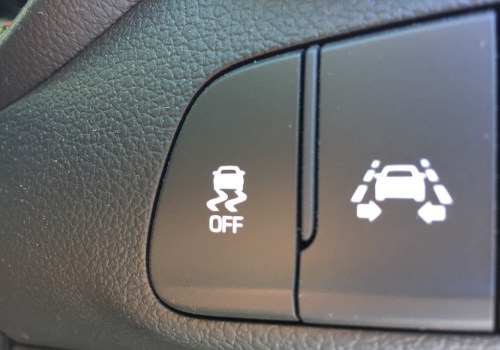
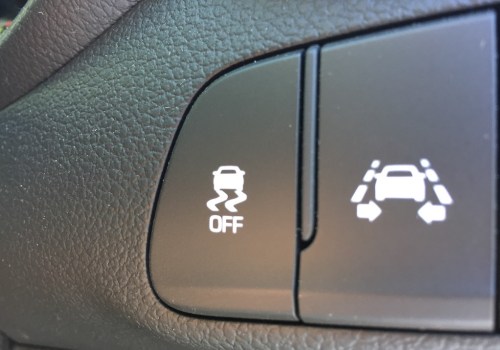
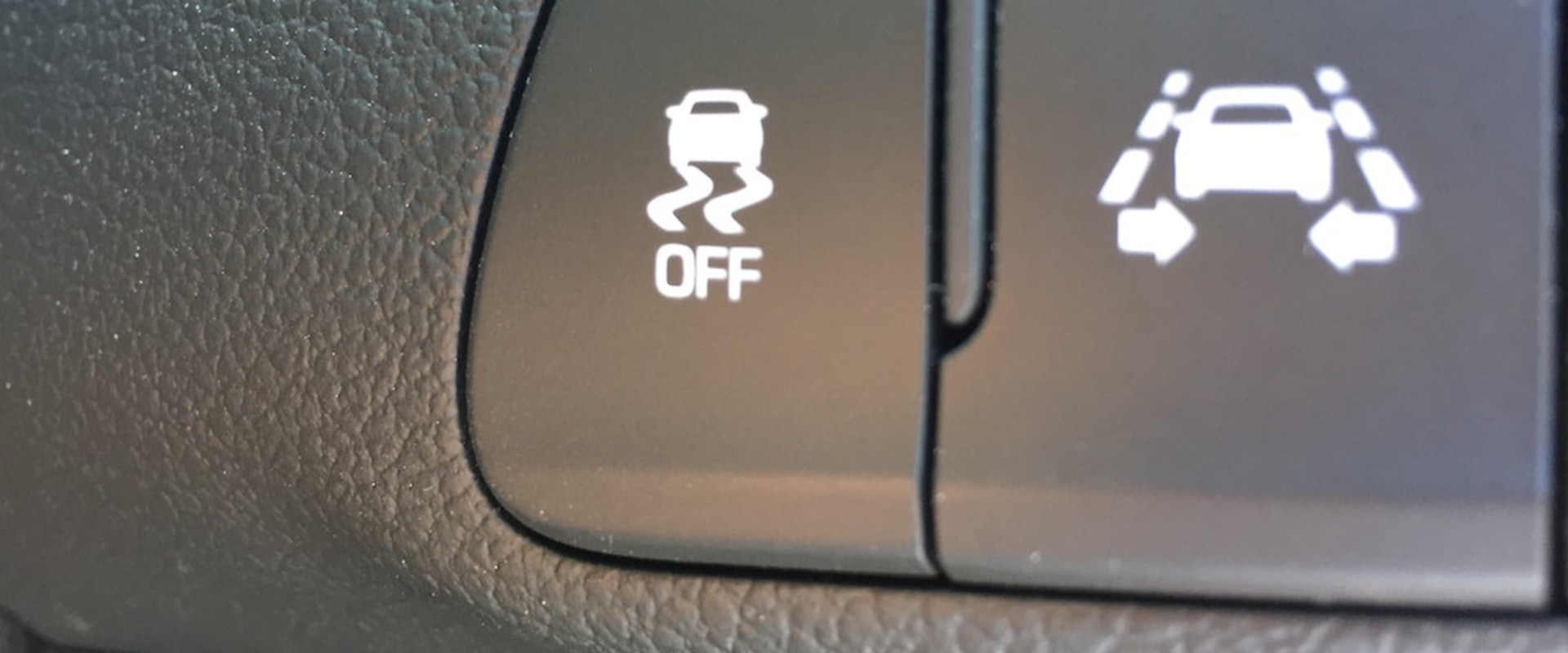
The first step is to identify the ESC button in your vehicle. This button may be labeled as ESC, ESP, or DSC, depending on your car's manufacturer. Typically, it can be found on the center console or near the gear shift.
In some vehicles, it might also be located on the dashboard itself.
Step 2: Press and Hold the Button
Once you have located the button, press and hold it for approximately three seconds. You should see a change in the dashboard lights. If the ESC light turns off, this indicates that you have successfully reactivated the system.
Step 3: Check for Additional Indicators
After turning off the ESC light, keep an eye on your dashboard for any other warning lights that may remain illuminated. If other lights are still on, it could indicate a different issue that needs attention.
Step 4: Consult Your Owner’s Manual
If pressing the button does not turn off the ESC light, refer to your vehicle's owner’s manual for specific instructions related to your model.
Some vehicles may have unique procedures or additional settings that need to be adjusted.
Step 5: Consider Professional Help
If you have followed these steps and the ESC light remains illuminated, it may indicate a malfunction within the system. In such cases, it is advisable to take your vehicle to a certified mechanic or dealership for a thorough diagnostic check. Ignoring persistent warning lights can lead to more significant issues down the road.
By following these steps, you can effectively manage your vehicle's ESC system and ensure that it operates safely and efficiently. Remember that while turning off the ESC light is straightforward, understanding why it was activated in the first place is crucial for maintaining optimal vehicle performance.
When to Seek Professional Help
Understanding when to seek professional help for your vehicle's ESC system is crucial for maintaining safety and performance.The ESC light serves as an important indicator of your vehicle's stability control system, and ignoring it can lead to more significant issues down the road. Here are some key signs that suggest it may be time to consult a mechanic:
- Persistent ESC Light: If the ESC light remains illuminated on your dashboard after you have attempted to reset it, this could indicate a malfunction within the system. A steady light often signifies that the system is disabled or that there is a fault that needs addressing.
- Flashing ESC Light: A flashing ESC light while driving typically means that the system is actively engaged in correcting your vehicle's stability. If this occurs frequently, it may suggest that your vehicle is struggling with traction or stability, warranting a professional evaluation.
- Unusual Vehicle Behavior: If you notice your car behaving erratically—such as skidding, difficulty steering, or unexpected braking—these could be signs of an underlying issue with the ESC system. Such symptoms should not be ignored, as they can compromise your safety.
- Other Warning Lights: If the ESC light is accompanied by other warning lights on your dashboard, such as the ABS or brake warning lights, this could indicate a more complex issue that requires immediate attention from a qualified technician.
Delaying repairs can lead to further damage and potentially hazardous driving conditions. A professional mechanic will have the tools and expertise necessary to diagnose the problem accurately. They can perform a thorough inspection of the ESC system, including checking for error codes and assessing related components like the anti-lock braking system (ABS). In summary, if you experience any of these symptoms or if the ESC light remains on despite attempts to reset it, do not hesitate to seek professional help. Addressing these issues promptly can ensure your vehicle remains safe and reliable on the road.
The Role of ESC in Vehicle Safety
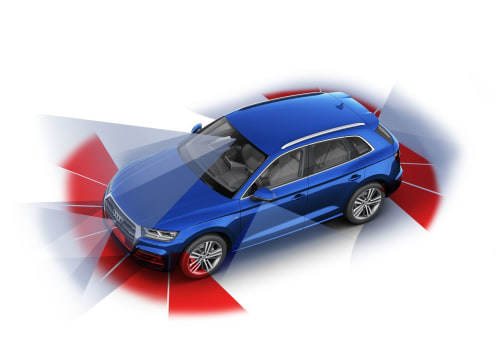
The Electronic Stability Control (ESC) system plays a crucial role in enhancing vehicle safety by helping drivers maintain control during challenging driving conditions.This advanced technology is designed to prevent accidents by automatically detecting and reducing loss of traction, which can occur during sudden maneuvers or on slippery surfaces. One of the primary functions of the ESC system is to monitor the vehicle's direction and compare it to the driver's intended path. By utilizing various sensors, ESC can determine if the vehicle is skidding or losing grip. When such a situation is detected, the system intervenes by selectively applying brakes to individual wheels, effectively steering the vehicle back on course. This capability is particularly beneficial in scenarios such as:
- Sharp Turns: During tight corners, if the rear wheels begin to slide out, ESC can apply brakes to the front wheels to help regain control.
- Wet or Icy Roads: On slippery surfaces, ESC helps prevent skidding by adjusting brake pressure and engine power.
- Emergency Maneuvers: In sudden avoidance situations, ESC assists in maintaining stability, reducing the risk of rollover or loss of control.
Studies have shown that vehicles equipped with ESC are significantly less likely to be involved in fatal accidents compared to those without it. This technology not only enhances driver confidence but also contributes to overall road safety. Moreover, the benefits of ESC extend beyond just accident prevention. It also:
- Improves Handling: By providing better control during adverse conditions, drivers can navigate challenging terrains more effectively.
- Reduces Insurance Costs: Many insurance companies offer discounts for vehicles equipped with advanced safety features like ESC.
- Increases Resale Value: Cars with modern safety technologies tend to have higher resale values due to increased demand for safer vehicles.
Frequently Asked Questions about ESC Systems
Understanding the ESC system and its light can be crucial for maintaining vehicle safety and performance.Here are some frequently asked questions that can help clarify common concerns:
What does the ESC light indicate?
The ESC light typically illuminates when the system is actively working to maintain traction and stability. If the light is flashing, it means the system is engaged, helping to prevent skidding or loss of control. However, if the light remains on continuously, it may indicate a malfunction or that the system has been manually turned off.How can I turn off the ESC light?
If you find that the ESC light is on and you believe it should not be, first check if the ESC button on your dashboard has been pressed. This button may be labeled as ESC , ESP , or DSC.Pressing this button for a few seconds can often deactivate the system and turn off the light. If the light persists, it may require professional diagnosis.
What should I do if the ESC light stays on?
If the ESC light remains illuminated after attempting to turn it off, it could indicate a deeper issue with your vehicle's stability control system. In such cases, it is advisable to consult your vehicle's manual for specific troubleshooting steps or take your car to a certified mechanic for a thorough inspection.Can driving conditions affect the ESC light?
Yes, adverse driving conditions such as rain, snow, or ice can trigger the ESC light as the system works harder to maintain control. If you notice the light flashing during these conditions, it is a sign that the system is actively engaged in helping you maintain traction.However, if you are driving under normal conditions and the light is on, further investigation is warranted.
Is it safe to drive with the ESC light on?
Driving with the ESC light on can be risky, especially if it indicates a malfunction. While your vehicle may still operate normally, you may not have access to important stability features that help prevent accidents. It’s best to address any issues indicated by the ESC light before continuing to drive. By understanding these common questions about your ESC system, you can better manage your vehicle's safety features and ensure optimal performance on the road.Conclusion: Key Takeaways on Managing Your ESC Light
Understanding how to manage your ESC system is crucial for ensuring both your safety and the performance of your vehicle. The Electronic Stability Control (ESC) system plays a vital role in maintaining traction and stability, especially in challenging driving conditions.Here are some key takeaways to keep in mind:
- Recognize the Indicators: The ESC light on your dashboard serves as an important indicator of your vehicle's stability. If it illuminates, it may signify that the system is actively working to maintain control. However, if the light remains on continuously, it could indicate a malfunction or that the system has been manually disabled.
- Manual Control: In situations where you need to turn off the ESC light, locate the ESC button on your dashboard. This button may be labeled as ESC, ESP, or DSC depending on your vehicle's make and model.
Pressing this button for a few seconds can deactivate the system if it was unintentionally engaged.
- Regular Maintenance: Regularly check your vehicle's systems, including the ESC. If you notice persistent issues with the ESC light, it’s advisable to consult a professional mechanic or visit your dealership for a thorough diagnosis.
- Driving Conditions Matter: Be aware that the ESC system is designed to assist you in maintaining control during adverse conditions such as rain, snow, or ice. If you find yourself driving in slippery conditions and the ESC light is flashing, it indicates that the system is actively working to help you maintain traction.
- Safety First: While the ESC system enhances vehicle safety, it should not replace safe driving practices. Always adjust your speed according to road conditions and remain vigilant behind the wheel.
By understanding the function of the ESC light and knowing how to respond when it activates, you can ensure that your vehicle remains stable and under control in various driving scenarios.