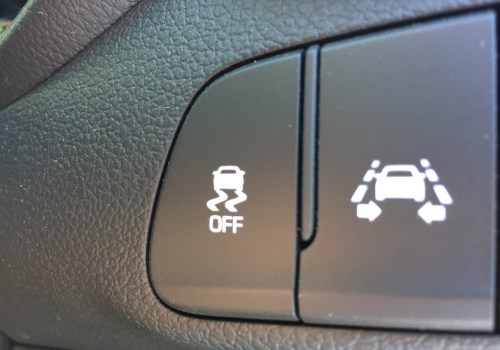
Electronic Stability Control, commonly referred to as ESC, is a crucial safety feature integrated into modern vehicles. Its primary function is to enhance vehicle stability by detecting and reducing loss of traction. When a driver begins to lose control—whether due to oversteering, understeering, or slippery road conditions—the ESC system intervenes by automatically applying brakes to individual wheels. This corrective action helps the driver maintain control and steer the vehicle in the intended direction, significantly reducing the risk of accidents, much like how well-designed french doors can enhance the flow and stability of a home's interior space. The importance of the , is a crucial safety feature integrated into modern vehicles. Its primary function is to enhance vehicle stability by detecting and reducing loss of traction. When a driver begins to lose control—whether due to oversteering, understeering, or slippery road conditions—the ESC system intervenes by automatically applying brakes to individual wheels. This corrective action helps the driver maintain control and steer the vehicle in the intended direction, significantly reducing the risk of accidents, much like how well-designed french doors can enhance the flow and stability of a home's interior space. The importance of the ESC system cannot be overstated.
Research has shown that vehicles equipped with ESC are less likely to be involved in single-vehicle crashes, particularly in adverse weather conditions. This technology has become a standard feature in many cars, trucks, and SUVs, reflecting its effectiveness in enhancing road safety. By actively monitoring the vehicle's dynamics and making real-time adjustments, ESC serves as an essential line of defense against skidding and loss of control. Understanding how the ESC system operates is vital for every driver. It not only provides peace of mind but also empowers drivers with the knowledge that their vehicle is equipped with advanced technology designed to assist them in maintaining control during challenging driving situations.
As we delve deeper into the implications of driving with the ESC off, it becomes clear that this system is not merely an optional feature but a fundamental component of modern automotive safety.
How the ESC System Works
The Electronic Stability Control (ESC) system is a sophisticated technology designed to enhance vehicle safety by maintaining stability during challenging driving conditions. Understanding how this system operates is essential for appreciating its role in preventing accidents and ensuring driver control. At its core, the ESC system utilizes a combination of sensors and computer algorithms to monitor the vehicle's dynamics. These sensors track various parameters, including:- Steering angle: This measures the direction in which the driver intends to steer.
- Yaw rate: This indicates how quickly the vehicle is rotating around its vertical axis.
- Wheel speed: Each wheel's speed is monitored to detect any discrepancies that may indicate loss of traction.
- Acceleration: The system assesses the vehicle's acceleration to determine if it is exceeding safe limits.
If it identifies that the vehicle is veering off its intended path, it activates specific brakes on individual wheels to help correct the trajectory. For instance, if the rear wheels are sliding out during a turn, the ESC may apply brakes to the front wheels to counteract this motion and stabilize the vehicle. This intervention occurs rapidly, often within milliseconds, allowing drivers to regain control without needing to react consciously. In addition to braking, some ESC systems can also adjust engine power by reducing throttle input, further aiding in maintaining stability. The effectiveness of the ESC system is particularly evident in adverse weather conditions, such as rain or snow, where traction can be compromised. By continuously monitoring and adjusting vehicle dynamics, ESC significantly reduces the likelihood of skidding or rolling over. In summary, the mechanics of the ESC system involve a complex interplay of sensors and automated responses that work together to enhance vehicle stability.
This technology not only helps drivers maintain control but also plays a crucial role in preventing accidents, making it an indispensable feature in modern vehicles.
The Risks of Driving with ESC Off
Driving with the Electronic Stability Control (ESC) system turned off can significantly increase the risks associated with vehicle operation. While some drivers may believe that disabling ESC allows for a more engaging driving experience, the reality is that it exposes them to a range of safety concerns that can lead to dangerous situations.Loss of Traction
One of the primary functions of the ESC system is to maintain traction between the tires and the road surface. When ESC is disabled, the vehicle becomes more susceptible to losing grip, especially in adverse weather conditions such as rain, snow, or ice. In these scenarios, a driver may find themselves unable to control the vehicle effectively, leading to potential skidding or hydroplaning.
Oversteering and Understeering
Without ESC, drivers are at a higher risk of experiencing oversteering or understeering during sharp turns or sudden maneuvers.
Oversteering occurs when the rear wheels lose traction, causing the back of the car to swing out. Conversely, understeering happens when the front wheels lose grip, making it difficult to steer the vehicle in the intended direction. Both situations can result in loss of control and potentially catastrophic accidents.
Increased Stopping Distances
Another critical aspect to consider is that disabling ESC can lead to increased stopping distances. The system works in conjunction with anti-lock brakes (ABS) to optimize braking performance during slippery conditions.
When ESC is off, a driver may not be able to stop as quickly or effectively, particularly in emergency situations where every second counts.
Driver Confidence and Reaction Time
Many drivers may feel overconfident when driving without ESC, believing they can handle their vehicle better than the system can. This false sense of security can lead to reckless driving behaviors, such as speeding or taking corners too aggressively. In reality, even experienced drivers can be caught off guard by sudden changes in road conditions or unexpected obstacles.
Conclusion
In summary, while it may be tempting for some drivers to turn off their ESC for a more spirited driving experience, the risks far outweigh any perceived benefits. The potential for loss of control, increased stopping distances, and heightened danger in adverse conditions make it clear that keeping the ESC system engaged is crucial for maintaining safety on the road.
When Is It Acceptable to Turn Off ESC?
Turning off the Electronic Stability Control (ESC) system can be a contentious topic among drivers, particularly those who engage in performance driving or off-road adventures.While ESC is designed to enhance safety by preventing loss of control, there are specific scenarios where disabling it may be acceptable or even advantageous.
Performance Driving
In the realm of performance driving, such as on racetracks or during competitive motorsport events, drivers often choose to turn off the ESC. This decision is primarily driven by the desire for greater control over the vehicle's dynamics. When ESC is active, it can intervene during high-speed maneuvers, applying brakes to individual wheels to maintain stability. While this is beneficial for everyday driving, it can hinder a skilled driver’s ability to execute precise cornering techniques.-
Drifting: For enthusiasts who enjoy drifting, having ESC turned off allows for more freedom in controlling the vehicle's rear end.
This is crucial for maintaining the desired angle and speed during a drift.
- Track Days: On a racetrack, drivers often disable ESC to achieve faster lap times. The system's interventions can disrupt momentum and throttle response, which are critical for competitive racing.
Off-Road Conditions
In off-road situations, turning off the ESC can also be beneficial. Many off-road vehicles come equipped with advanced traction control systems that may not function optimally on uneven terrain. In these cases:-
Loose Surfaces: When driving on loose gravel, mud, or sand, ESC may inadvertently apply brakes to wheels that are spinning freely.
Disabling it allows for better wheel spin and momentum to navigate through challenging conditions.
- Steep Inclines: On steep inclines or declines, turning off ESC can provide drivers with more control over their vehicle’s descent or ascent without unwanted braking interventions.
Common Misconceptions About ESC
When it comes to the Electronic Stability Control (ESC) system, there are numerous myths and misconceptions that can cloud a driver’s understanding of its functionality and importance. Addressing these misunderstandings is crucial for ensuring that drivers make informed decisions regarding their vehicle's safety features.Myth 1: ESC is Only for Bad Weather Conditions
One common misconception is that the ESC system is only necessary during adverse weather conditions, such as rain or snow.
In reality, ESC is designed to enhance vehicle stability in a variety of driving situations, including dry conditions. It helps prevent skidding and loss of control, making it an essential feature regardless of the weather.
Myth 2: ESC Replaces Good Driving Skills
Another prevalent myth is that having an ESC system allows drivers to neglect safe driving practices. While ESC can assist in maintaining control during unexpected maneuvers, it does not replace the need for attentive and responsible driving. Drivers should still adhere to speed limits and avoid risky behaviors, as ESC cannot prevent all accidents.
Myth 3: Disabling ESC Improves Performance
Some enthusiasts believe that turning off the ESC system can enhance their vehicle's performance, particularly in racing scenarios.
However, this belief can lead to dangerous situations. Disabling ESC removes a critical safety net that helps maintain control during high-speed turns or sudden stops. While sport modes may offer sharper throttle response, they do so while still utilizing the benefits of ESC.
Myth 4: All Vehicles Have the Same ESC System
Not all ESC systems are created equal. Different manufacturers implement varying technologies and algorithms in their systems, which can affect performance and responsiveness.
Understanding your specific vehicle's ESC capabilities is essential for maximizing its benefits.
Myth 5: The ESC Light Indicates a Serious Problem
Many drivers panic when they see the ESC warning light illuminate on their dashboard, assuming it signifies a major malfunction. While it can indicate a problem with the system, it often simply means that the vehicle is actively working to maintain stability. If the light remains on or flashes frequently, however, it’s advisable to consult a professional mechanic.
By debunking these myths surrounding the ESC system, drivers can better appreciate its role in enhancing vehicle safety and performance. Understanding how this technology works empowers drivers to make safer choices on the road.
ESC vs.
Other Safety Features: A Comparative Analysis
When discussing vehicle safety, it is essential to understand how various systems work together to enhance overall performance and protection. Among these systems, Electronic Stability Control (ESC), Anti-lock Braking Systems (ABS), and Traction Control play pivotal roles, each contributing uniquely to a vehicle's safety profile.
Understanding ESC
ESC is designed to prevent loss of control during extreme driving conditions. It achieves this by automatically applying brakes to individual wheels when it detects that the vehicle is veering off its intended path. This system is particularly beneficial in slippery conditions or during sudden maneuvers, helping drivers maintain control and avoid accidents.
The Role of ABS
In contrast, ABS focuses primarily on preventing wheel lock-up during hard braking.
By modulating brake pressure, ABS allows drivers to maintain steering control while braking forcefully. This is crucial in emergency situations where stopping distance can be significantly reduced without sacrificing maneuverability.
Comparing ESC and ABS
- Functionality: While ESC works to maintain directional control, ABS is concerned with stopping power and steering capability during braking.
- Activation: ESC activates when it detects a loss of traction or stability, whereas ABS engages when the driver applies the brakes hard enough to risk wheel lock-up.
- Impact on Safety: Both systems significantly enhance safety but do so in different scenarios; ESC is more effective in preventing skids, while ABS is vital for effective stopping.
The Importance of Traction Control
Traction Control works in tandem with both ESC and ABS. It prevents wheel spin during acceleration by reducing engine power or applying brakes to specific wheels. This system is particularly useful on slippery surfaces where maintaining traction is critical for safe acceleration.
Integrative Safety Approach
The integration of ESC, ABS, and Traction Control creates a comprehensive safety net for drivers.
Each system complements the others, ensuring that whether a driver is accelerating, braking, or navigating a curve, they have the best possible support to maintain control of their vehicle. Understanding these differences not only enhances driver awareness but also emphasizes the importance of these technologies in modern vehicles.
Real-Life Scenarios: Driving with ESC Off
Driving with the Electronic Stability Control (ESC) system turned off can lead to a variety of experiences, some of which can be quite enlightening. Here are a few real-life scenarios that illustrate the implications of operating a vehicle without this crucial safety feature.Scenario 1: The Weekend Racer
Consider a weekend enthusiast who decides to disable the ESC while taking their sports car to a local racetrack. Initially, the driver enjoys the enhanced throttle response and the ability to drift through corners.
However, during one particularly sharp turn, the car begins to oversteer. Without ESC to intervene, the driver struggles to regain control, resulting in a spin-out that could have been avoided. This incident highlights how disabling ESC can transform a controlled environment into a risky situation.
Scenario 2: The Slippery Road
Another example involves a driver navigating through icy conditions. Believing they could handle the situation better without ESC, they switch it off.
As they approach a steep incline, the vehicle begins to slide sideways. The driver quickly realizes that without ESC's assistance in applying brakes selectively to each wheel, they are unable to maintain traction. This scenario underscores the importance of ESC in adverse weather conditions, where maintaining control is paramount.
Scenario 3: Off-Road Adventure
A group of friends embarks on an off-road adventure in an SUV equipped with an advanced ESC system. One member decides to turn off the ESC to tackle challenging terrain more aggressively.
While initially successful in navigating obstacles, they soon encounter a steep decline. Without ESC, the vehicle loses stability and begins to roll backward uncontrollably. This experience serves as a reminder that while some may view ESC as restrictive, it plays a vital role in ensuring safety even in off-road situations.
Conclusion
These scenarios illustrate that while there may be moments when driving with ESC off seems appealing—such as for performance driving or adventurous off-roading—the risks often outweigh the benefits. The real-world consequences of disabling this safety feature can lead to loss of control and potentially dangerous situations.
Therefore, understanding when and why to use ESC is crucial for every driver.
Frequently Asked Questions About ESC Systems
When it comes to understanding Electronic Stability Control (ESC)) systems, many drivers have questions about their functionality, safety, and maintenance. Here are some of the most frequently asked questions regarding ESC systems:-
What is the primary function of an ESC system?
The main purpose of an ESC system is to enhance vehicle stability by detecting and reducing loss of traction. It automatically applies brakes to individual wheels when it senses that the vehicle is veering off its intended path, helping to prevent skidding or rolling over. -
How does ESC differ from traction control?
While both systems aim to improve vehicle control, ESC focuses on maintaining directional stability during extreme driving conditions, such as sharp turns or slippery roads. In contrast, traction control primarily prevents wheel spin during acceleration. -
Can I drive with the ESC light on?
Yes, you can continue driving if the ESC light is illuminated; however, it indicates a potential issue with the system or that it is actively working to maintain traction.It’s advisable to reduce your speed and have your vehicle checked by a professional as soon as possible.
-
Is it safe to turn off the ESC system?
Disabling the ESC system can be risky, especially in adverse weather conditions or during high-speed maneuvers. While some drivers may choose to turn it off for performance reasons, it’s generally recommended to keep it activated for enhanced safety. -
How can I tell if my ESC system is functioning properly?
Regular maintenance checks and being aware of warning lights on your dashboard are essential. If the ESC light remains on or if you notice unusual handling characteristics while driving, it’s crucial to have your vehicle inspected by a qualified technician.
Conclusion: The Importance of Keeping Your ESC On
In conclusion, the Electronic Stability Control (ESC) system plays a crucial role in enhancing vehicle safety and stability.Throughout this article, we have explored the various functions and benefits of the ESC system, emphasizing its importance in preventing accidents and maintaining control during challenging driving conditions. One of the primary functions of the ESC system is to assist drivers in maintaining traction, especially on slippery or uneven surfaces. By automatically applying brakes to individual wheels, the ESC helps to correct oversteer and understeer situations, which can lead to loss of control. This feature is particularly vital during adverse weather conditions such as rain, snow, or ice, where the risk of skidding increases significantly. Moreover, the ESC system is not just a luxury feature; it has become a standard safety requirement in modern vehicles. Research has consistently shown that vehicles equipped with ESC are less likely to be involved in fatal accidents compared to those without it.
This statistic underscores the necessity of keeping the ESC activated while driving. While some drivers may feel tempted to turn off the ESC for a more exhilarating driving experience, it is essential to recognize that this decision can compromise safety. The thrill of driving should never come at the expense of personal safety or that of others on the road. The ESC system is designed to work seamlessly in the background, allowing drivers to enjoy their journey while providing an extra layer of protection. In summary, keeping your ESC system engaged is not merely a recommendation; it is a critical aspect of responsible driving. By understanding its functions and benefits, drivers can make informed decisions that prioritize safety over short-term thrills.
Always remember that while driving can be enjoyable, safety should always come first.