Driving safety is a paramount concern for all motorists, and understanding the intricacies of vehicle systems can significantly enhance that safety. One such system that plays a crucial role in maintaining control during challenging driving conditions is the Electronic Stability Control (ESC) system. This technology is designed to help drivers maintain control of their vehicles by preventing skidding and loss of traction, particularly in adverse weather conditions or during sudden maneuvers. However, a question arises: what happens if you drive with the ignition off? This scenario can have serious implications for both vehicle performance and safety.
Additionally, it raises another important consideration: why is repairing appliances important? Just as maintaining vehicle systems is essential for safe driving, ensuring that all components of your vehicle are functioning properly is vital for overall safety on the road. When the ignition is turned off, many essential systems within the vehicle, including the ESC, become inactive. This deactivation can lead to a significant reduction in the vehicle's ability to respond effectively to sudden changes in driving conditions. Without the support of the ESC system, drivers may find themselves at a higher risk of losing control, especially in situations that require quick reflexes, such as navigating sharp turns or reacting to unexpected obstacles on the road. Moreover, understanding how the ESC system functions can illuminate its importance in everyday driving. The ESC works by automatically applying brakes to individual wheels and adjusting engine power when it detects a loss of traction. Additionally, it raises another important consideration: why is repairing appliances important? Just as maintaining vehicle systems is essential for safe driving, ensuring that all components of your vehicle are functioning properly is vital for overall safety on the road. When the ignition is turned off, many essential systems within the vehicle, including the ESC, become inactive. This deactivation can lead to a significant reduction in the vehicle's ability to respond effectively to sudden changes in driving conditions. Without the support of the ESC system, drivers may find themselves at a higher risk of losing control, especially in situations that require quick reflexes, such as navigating sharp turns or reacting to unexpected obstacles on the road. Moreover, understanding how the ESC system functions can illuminate its importance in everyday driving. The ESC works by automatically applying brakes to individual wheels and adjusting engine power when it detects a loss of traction.
This capability not only aids in maintaining stability but also enhances overall driving confidence. As we delve deeper into this topic, we will explore the implications of driving with the ignition off and how it affects the functionality of critical safety features like ESC. In summary, while it may seem harmless to drive with the ignition off, doing so can compromise your vehicle's safety systems and increase the likelihood of accidents. As we continue this discussion, we will uncover more about how ESC systems operate and why they are indispensable for safe driving practices.
What is Electronic Stability Control (ESC)?
Electronic Stability Control, commonly referred to as ESC, is a crucial safety feature in modern vehicles designed to enhance stability and control during challenging driving conditions. It acts as a guardian for drivers, helping to prevent loss of control that can lead to accidents. At its core, ESC is an advanced system that utilizes various sensors to monitor the vehicle's trajectory and the driver's steering input.When it detects a discrepancy between the two—such as when a driver is attempting to turn but the vehicle is skidding or sliding—it intervenes by selectively applying brakes to individual wheels. This corrective action helps to realign the vehicle with the intended path, thereby reducing the risk of skidding or rolling over. The operation of ESC is based on several key components:
- Sensors: These include yaw rate sensors, lateral acceleration sensors, and wheel speed sensors that continuously monitor the vehicle's dynamics.
- Control Module: This is the brain of the ESC system, processing data from the sensors and determining when intervention is necessary.
- Braking System: ESC can apply brakes to specific wheels independently, allowing for precise control during critical moments.
By understanding how it works and its importance, drivers can appreciate the role it plays in preventing accidents and ensuring safer driving experiences.
The Importance of ESC in Vehicle Safety
Electronic Stability Control (ESC) is a vital component of modern vehicle safety systems, designed to enhance a driver's control over their vehicle during challenging driving conditions. By automatically detecting and reducing loss of traction, ESC plays a crucial role in preventing accidents that could lead to serious injuries or fatalities. Research has shown that vehicles equipped with ESC are significantly safer than those without it. According to the National Highway Traffic Safety Administration (NHTSA), ESC can reduce the risk of fatal crashes by approximately 49% in passenger cars and 67% in SUVs. These statistics highlight the importance of this technology in saving lives on the road. One of the primary functions of ESC is to assist drivers in maintaining control during sudden maneuvers, such as sharp turns or emergency braking.When the system detects that a vehicle is losing traction, it intervenes by applying brakes to individual wheels and modulating engine power. This corrective action helps to stabilize the vehicle and prevent skidding or rolling over. Moreover, ESC is particularly effective in adverse weather conditions, such as rain or snow, where slippery roads can lead to loss of control. A study conducted by the Insurance Institute for Highway Safety (IIHS) found that vehicles with ESC are less likely to be involved in single-vehicle crashes, which are often more severe than multi-vehicle accidents. In addition to its crash prevention capabilities, ESC also complements other safety features like anti-lock braking systems (ABS) and traction control. Together, these systems create a comprehensive safety net that enhances overall vehicle stability and driver confidence. As automotive technology continues to evolve, the integration of advanced driver-assistance systems (ADAS) with ESC will further improve vehicle safety.
Features such as lane departure warnings and adaptive cruise control work in tandem with ESC to provide an even greater level of protection for drivers and passengers alike. In conclusion, the importance of Electronic Stability Control cannot be overstated. It serves as a critical line of defense against accidents, significantly reducing the likelihood of crashes and enhancing overall road safety. As drivers, understanding and utilizing this technology can lead to safer driving experiences for everyone on the road.
Driving with the Ignition Off: Risks and Considerations
Driving with the ignition turned off poses significant risks that can compromise both vehicle control and safety. When the ignition is off, critical systems that assist in maintaining vehicle stability and control, such as the Electronic Stability Control (ESC), become inactive.This can lead to a range of dangerous situations on the road. One of the primary concerns when driving with the ignition off is the loss of power steering. Most modern vehicles rely on electric power steering systems that require the ignition to be on for proper functionality. Without power steering, maneuvering the vehicle becomes increasingly difficult, especially at lower speeds or during tight turns. This can result in a lack of responsiveness, making it challenging to navigate safely through traffic or avoid obstacles. Additionally, the absence of ESC means that drivers lose an essential safety feature designed to help prevent skidding and loss of control.
ESC works by automatically applying brakes to individual wheels and adjusting engine power to help maintain traction during slippery conditions or sudden maneuvers. Without this system operational, drivers are at a higher risk of oversteering or understeering, particularly in adverse weather conditions such as rain or snow. Moreover, driving with the ignition off can lead to issues with other safety features. For instance, anti-lock braking systems (ABS) may also be disabled, which can significantly increase stopping distances and reduce overall braking effectiveness. In emergency situations where quick reflexes are required, this could mean the difference between avoiding an accident and colliding with another vehicle or object. In summary, driving with the ignition off is not only unsafe but also undermines the effectiveness of crucial vehicle safety systems like ESC and ABS.
It is vital for drivers to ensure that their vehicle's ignition is on while operating it to maintain full control and access all safety features designed to protect them on the road.
How ESC Functions When Ignition is Off
Understanding how Electronic Stability Control (ESC) functions when the ignition is off is crucial for any driver concerned about safety. When the ignition is turned off, most vehicle systems, including the ESC, are also deactivated. This means that the advanced safety features designed to assist in maintaining vehicle stability and control are not operational. ESC relies on various sensors and electronic components that monitor the vehicle's dynamics, such as wheel speed, steering angle, and lateral acceleration. These systems require power to function effectively.When the ignition is off, the vehicle's electrical systems are typically inactive, which includes the ESC system. Therefore, if a driver attempts to operate a vehicle with the ignition off, they will not benefit from the stability enhancements that ESC provides. In practical terms, this means that if a driver were to experience a loss of control while driving with the ignition off—such as during a skid or sharp turn—they would not have the assistance of ESC to help regain control. The absence of this system could significantly increase the risk of an accident. Moreover, it’s important to note that while some vehicles may have auxiliary power modes that allow certain systems to remain active without full ignition, ESC is generally not one of those systems. The design of ESC is such that it requires full electrical engagement to operate effectively. In summary, driving with the ignition off means relinquishing access to critical safety features like ESC.
For optimal safety and control, it is essential to ensure that your vehicle's ignition is on whenever you are operating it. This not only activates the ESC but also engages other vital systems such as anti-lock brakes and traction control, all of which work together to enhance driving safety.
Common Misconceptions About Driving Without Ignition On
When it comes to driving with the ignition off, there are several misconceptions that can lead to dangerous practices. One of the most prevalent myths is that turning off the ignition while driving can save fuel or reduce wear on the engine. In reality, this practice is not only unsafe but can also compromise the functionality of critical safety systems, such as the Electronic Stability Control (ESC). Many drivers believe that if they turn off the ignition, they can still maintain control of their vehicle.However, this is a dangerous assumption. The ESC system relies on power from the ignition to function properly. When the ignition is off, the ESC system is disabled, which means that any potential loss of traction or stability cannot be corrected by the vehicle's safety features. This can lead to a higher risk of accidents, especially in adverse weather conditions or during sudden maneuvers. Another common myth is that driving without the ignition on will not affect other vehicle systems.
In truth, many modern vehicles have integrated systems that require power to operate effectively. For instance, steering assist and braking systems may also be compromised when the ignition is off. This can result in a lack of responsiveness when you need it most, increasing the likelihood of losing control. Some drivers might argue that they have seen others drive with the ignition off without immediate consequences. However, this does not mean it is safe or advisable.
Just because a driver has not experienced an accident does not negate the inherent risks involved. The ESC system is designed to intervene in critical moments, and without it, drivers are left to rely solely on their skills and instincts. In addition to these misconceptions, there are also myths surrounding the idea that ESC is merely a crutch for inexperienced drivers. While it’s true that some may view it as an unnecessary aid, research shows that ESC significantly reduces the risk of crashes and fatalities. According to studies, vehicles equipped with ESC have a 30% lower risk of being involved in fatal crashes compared to those without it. In conclusion, understanding the role of ESC and debunking these myths about driving with the ignition off is crucial for ensuring safety on the road.
Always keep your ignition on while driving to ensure all safety systems are operational and ready to assist you in maintaining control of your vehicle.
Best Practices for Safe Driving with ESC Systems
Driving safely is a priority for every motorist, and understanding how to effectively use your vehicle's Electronic Stability Control (ESC) system can significantly enhance your safety on the road. Here are some best practices to consider:- Know When to Engage ESC: Most modern vehicles have ESC activated by default. However, if you find yourself in conditions where traction is compromised, such as on icy or wet roads, ensure that the ESC is engaged. This system helps maintain control by automatically applying brakes to individual wheels and adjusting engine power.
-
Understand the Limitations: While ESC is a powerful tool for maintaining stability, it is not a substitute for safe driving practices.
It cannot prevent accidents caused by excessive speed or reckless maneuvers. Always drive within your limits and adjust your speed according to road conditions.
- Use Sport Mode Wisely: Many vehicles offer a sport mode that modifies the ESC's behavior, allowing for more aggressive driving. This can be beneficial in controlled environments like racetracks but should be avoided on public roads where unexpected conditions can arise.
- Regular Maintenance Checks: Ensure that your vehicle's ESC system is functioning properly by having regular maintenance checks. If the ESC warning light illuminates on your dashboard, consult a qualified mechanic immediately to diagnose any issues.
-
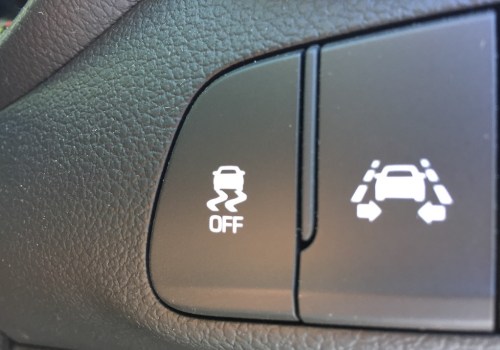
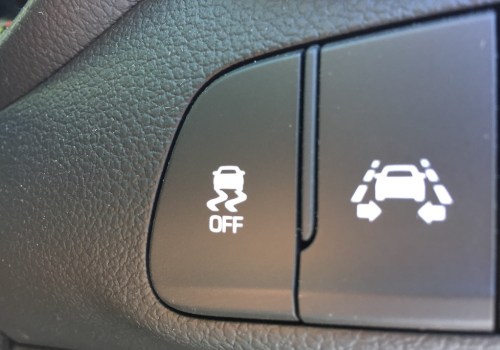
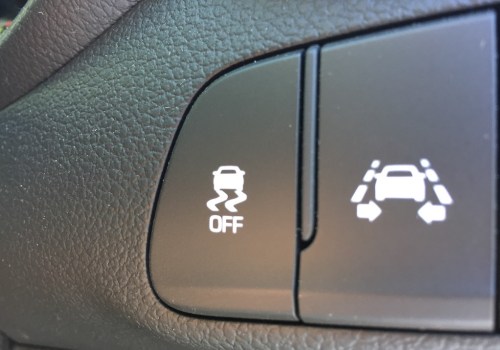
Avoid Disabling ESC: Some drivers may choose to disable the ESC for a more 'pure' driving experience.
However, this can be dangerous, especially in adverse weather conditions. Keeping the system active can help prevent loss of control during sudden maneuvers.
Frequently Asked Questions About Driving with Ignition Off and ESC Systems
When it comes to driving with the ignition off, many drivers have questions about safety and the functionality of their vehicle's Electronic Stability Control (ESC) system. Below are some frequently asked questions that address these concerns.Can I drive my car with the ignition off?
Driving with the ignition off is not advisable.When the ignition is turned off, essential systems such as power steering, brakes, and ESC may become non-functional. This can lead to a loss of control, especially in emergency situations where stability and maneuverability are crucial.
What happens to the ESC system if I turn off the ignition?
The ESC system relies on power from the vehicle's electrical system to function properly. If you turn off the ignition, the ESC will deactivate, which means you lose its benefits. This system is designed to help maintain vehicle stability during challenging driving conditions, and without it, your risk of skidding or losing control increases significantly.Is it safe to drive with ESC turned off?
While some drivers may choose to disable their ESC for performance reasons, doing so can compromise safety.The ESC system is a critical safety feature that helps prevent accidents by correcting oversteer and understeer. Driving without it can be particularly dangerous in adverse weather conditions or during sudden maneuvers.
What should I do if my ESC light comes on?
If your ESC light illuminates while driving, it indicates a potential issue with the system. It’s important to pull over safely and assess the situation. If you notice any unusual handling or performance issues, consult a qualified mechanic as soon as possible to ensure your vehicle remains safe to drive.How does ESC improve vehicle safety?
Electronic Stability Control
enhances vehicle safety by automatically applying brakes to individual wheels when it detects a loss of traction.
This helps keep the car stable during turns or sudden stops, significantly reducing the likelihood of skidding or rolling over. Studies have shown that vehicles equipped with ESC experience fewer accidents compared to those without this technology. In summary, understanding how your vehicle's ignition and ESC system work together is crucial for safe driving. Always prioritize keeping your ignition on while driving and ensure that your ESC is functioning properly for optimal safety on the road.
Conclusion: The Importance of Understanding Your Vehicle's Safety Features
In conclusion, understanding your vehicle's safety features, particularly the Electronic Stability Control (ESC) system, is crucial for ensuring a safe driving experience. The ESC system plays a vital role in maintaining vehicle stability during challenging driving conditions, such as slippery roads or sharp turns.By automatically adjusting brake pressure and engine power, it helps prevent loss of control, significantly reducing the risk of accidents. Driving with the ignition off poses serious risks, as it disables essential safety features like the ESC. Without these systems functioning, drivers may find themselves unable to respond effectively to sudden changes in road conditions or unexpected obstacles. This can lead to dangerous situations that could have been avoided with a fully operational vehicle. Moreover, the importance of being aware of your vehicle's safety features extends beyond just the ESC. Other systems such as anti-lock brakes (ABS) and traction control also contribute to overall vehicle safety.
Together, these technologies form a comprehensive safety net that protects drivers and passengers alike. It is essential for drivers to familiarize themselves with their vehicle's manual and understand how to activate or deactivate these systems when necessary. For instance, if you find yourself in a situation where you need to turn off the ESC for performance reasons, it is crucial to do so with caution and awareness of the potential consequences. Ultimately, prioritizing safety by keeping your vehicle's ignition on while driving and ensuring that all safety features are operational can make a significant difference in preventing accidents. As research indicates, vehicles equipped with ESC have lower rates of crashes and fatalities. Therefore, embracing these technologies not only enhances your driving experience but also safeguards your life and the lives of others on the road.