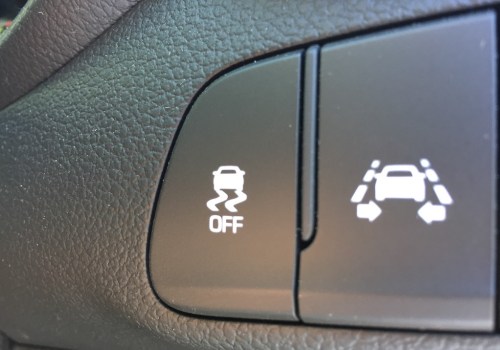
Electronic Stability Control, commonly referred to as ESC, is a crucial safety feature integrated into modern vehicles. Its primary function is to enhance vehicle stability by preventing skidding and loss of control during challenging driving conditions. When a driver makes abrupt steering maneuvers or encounters slippery surfaces, the ESC system intervenes by selectively applying brakes to individual wheels, helping to maintain the intended path of the vehicle. This technology is particularly vital in situations where quick reflexes are necessary, such as during sharp turns or emergency stops, especially for those who may need reliable Car Key Replacement in Pompano Beach All after an unexpected incident. The importance of , is a crucial safety feature integrated into modern vehicles. Its primary function is to enhance vehicle stability by preventing skidding and loss of control during challenging driving conditions. When a driver makes abrupt steering maneuvers or encounters slippery surfaces, the ESC system intervenes by selectively applying brakes to individual wheels, helping to maintain the intended path of the vehicle. This technology is particularly vital in situations where quick reflexes are necessary, such as during sharp turns or emergency stops, especially for those who may need reliable Car Key Replacement in Pompano Beach All after an unexpected incident. The importance of ESC cannot be overstated.
According to numerous studies, vehicles equipped with this system have significantly lower accident rates compared to those without it. In fact, the National Highway Traffic Safety Administration (NHTSA) estimates that ESC can reduce the risk of fatal single-vehicle crashes by up to 50%. This statistic highlights how essential ESC is for enhancing driver safety and protecting passengers, making it a standard feature in most new cars today. Understanding how ESC works is key to appreciating its value. The system relies on various sensors that monitor the vehicle's speed, steering angle, and lateral acceleration.
When these sensors detect a discrepancy between the driver's intended direction and the actual movement of the vehicle, the ESC system springs into action. It can apply brakes to specific wheels and adjust engine power to help regain control. This sophisticated interplay of technology not only aids in maintaining stability but also instills confidence in drivers, allowing them to navigate challenging conditions with greater assurance.
Common Issues with ESC Systems
The Electronic Stability Control (ESC) system is a vital component in modern vehicles, designed to enhance safety by preventing skidding and loss of control. However, like any complex system, it can encounter issues that may compromise its effectiveness.Understanding the common problems associated with ESC systems is essential for car owners to ensure their vehicles remain safe and reliable.
Common Problems with ESC Systems
- Faulty Wheel Speed Sensors: These sensors monitor the speed of each wheel and provide critical data to the ESC system. If a sensor fails, it can lead to incorrect readings, causing the ESC to activate unnecessarily or fail to engage when needed.
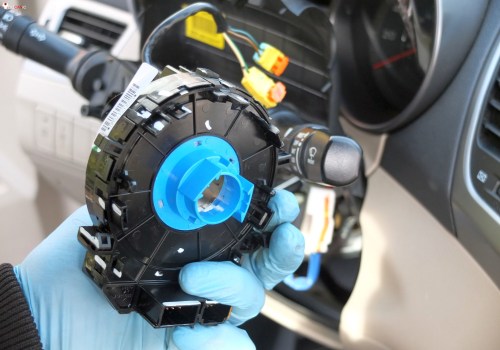
- Steering Angle Sensor Malfunction: The steering angle sensor is crucial for determining the vehicle's direction. A malfunction can result in the ESC system not being able to accurately assess the vehicle's stability, leading to potential loss of control.
- Brake System Issues: Since ESC relies on the braking system to function effectively, any problems with brake components—such as worn-out pads or malfunctioning ABS—can directly impact the performance of the ESC.
- Electrical Problems: The ESC system is heavily reliant on electrical components. Issues such as corroded connectors, damaged wiring, or blown fuses can disrupt communication within the system, leading to failure.
Symptoms of ESC Failure
Recognizing the signs of a failing ESC system is crucial for timely intervention.
Here are some common symptoms:
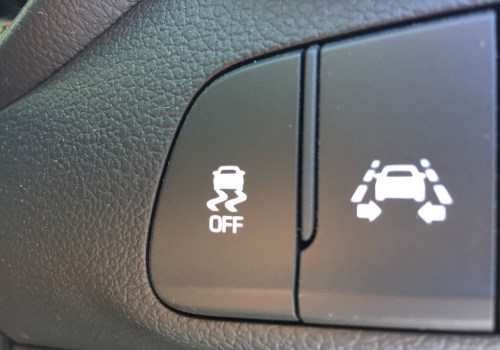
- ESC Warning Light: If the ESC warning light on your dashboard illuminates, it indicates a problem with the system. This light may stay on continuously or flash intermittently while driving.
- Unresponsive Steering: If you notice that your steering feels unusually loose or unresponsive, it could be a sign that the ESC is not functioning correctly.
- Loss of Traction: Experiencing unexpected skidding or loss of traction during turns or on slippery surfaces may indicate that the ESC is not engaging as it should.
Troubleshooting ESC Issues
If you suspect that your vehicle's ESC system is malfunctioning, consider these troubleshooting steps:
- Check for Diagnostic Codes: Use an OBD-II scanner to check for any error codes related to the ESC system. This can provide insight into specific issues affecting your vehicle.
- Inspect Wheel Speed Sensors: Visually inspect wheel speed sensors for damage or disconnection. Ensure they are clean and properly connected.
- Examine Brake Components: Check brake pads, rotors, and fluid levels for any signs of wear or malfunction that could affect the ESC's performance.
Factors Influencing the Cost of ESC Repairs
When it comes to repairing an Electronic Stability Control (ESC) system, several factors can significantly influence the overall cost.Understanding these elements can help car owners prepare for potential expenses and make informed decisions regarding their vehicle's maintenance.
Labor Costs
Labor costs are one of the primary components of the total expense associated with ESC repairs. The hourly rate charged by mechanics can vary widely based on several factors:- Location: Labor rates tend to be higher in urban areas compared to rural regions. For instance, a mechanic in a metropolitan city may charge between $100 to $150 per hour, while those in smaller towns might charge $70 to $100.
- Shop Type: Dealerships often have higher labor rates than independent repair shops due to their specialized training and access to OEM parts. Expect to pay a premium at a dealership for ESC repairs.
- Experience Level: Highly experienced technicians may command higher rates, but their expertise can lead to quicker and more accurate repairs, potentially saving you money in the long run.
Parts Costs
The cost of parts required for ESC repairs can also vary significantly.Here are some key considerations:
- OEM vs. Aftermarket: Original Equipment Manufacturer (OEM) parts are typically more expensive than aftermarket alternatives. While OEM parts ensure compatibility and reliability, aftermarket options may offer cost savings.
-
Type of Repair: The specific issue with the ESC system will dictate which parts need replacement. Common components that may require replacement include the steering angle sensor, wheel speed sensors, or the ESC control module.
Each of these parts comes with its own price range.
- Availability: If a part is rare or hard to find, it may come at a premium price. Conversely, commonly used parts are often more affordable due to higher availability.
Diagnostic Fees
Before any repairs can be made, a thorough diagnostic assessment is essential to identify the root cause of the ESC system malfunction. Diagnostic fees can vary based on:- Diagnostic Tools: Advanced diagnostic equipment may incur higher fees but can provide more accurate results. Some shops charge a flat fee for diagnostics, while others may apply this fee toward the total repair cost if you proceed with the service.
-
Time Required: The complexity of diagnosing an ESC issue can affect costs.
Simple problems may be diagnosed quickly, while more intricate issues could require extensive testing and analysis.
Average Costs for Repairing an ESC System
When it comes to understanding the costs associated with repairing an ESC system, it's essential to consider various factors that can influence the final price. The average cost for repairing an Electronic Stability Control (ESC) system typically ranges from $100 to $1,500 , depending on the specific issues at hand and the make and model of the vehicle. Here’s a breakdown of common repairs and their associated costs:- Diagnostic Testing: Before any repairs can be made, a diagnostic test is often necessary to identify the root cause of the problem. This service usually costs between $50 and $150 .
- Steering Angle Sensor Replacement: A faulty steering angle sensor is one of the most common issues that trigger the ESC warning light. Replacing this sensor can cost anywhere from $200 to $400 , including parts and labor.
-
Wheel Speed Sensor Replacement: If the wheel speed sensors are malfunctioning, they may need replacement.
The cost for this repair typically ranges from $150 to $300 .
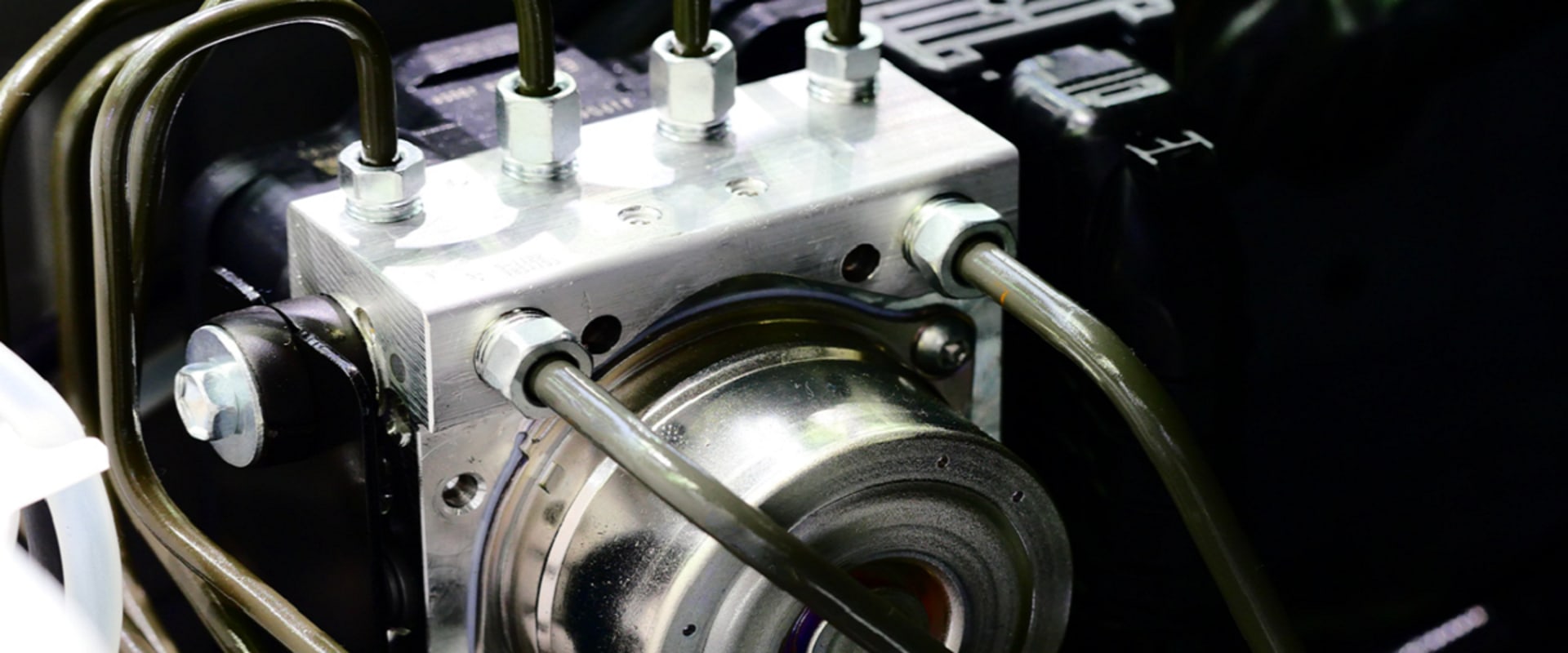
- ABS Module Repair or Replacement: The Anti-lock Braking System (ABS) module is integral to the ESC system. Repairing or replacing this component can be more expensive, with costs ranging from $300 to $800 .
- Complete ESC System Replacement: In severe cases where the entire ESC system needs replacement, costs can soar to between $1,000 and $1,500 .
Preventive Measures to Avoid ESC Issues
Maintaining your vehicle's Electronic Stability Control (ESC) system is crucial for ensuring safety and performance on the road.By taking proactive steps, you can significantly reduce the likelihood of encountering issues that may lead to costly repairs. Here are some effective preventive measures to help you keep your ESC system in optimal condition.
- Regular Inspections: Schedule routine inspections of your vehicle, focusing on the ESC system components. A qualified mechanic can check for any signs of wear or malfunction, ensuring that all parts are functioning correctly.
-
Monitor Warning Lights: Pay close attention to your dashboard warning lights. If the ESC indicator light illuminates, it’s essential to address the issue promptly.
Ignoring this warning can lead to more severe problems down the line.
- Check Tire Condition: The ESC system relies heavily on accurate tire performance. Regularly inspect your tires for proper inflation, tread depth, and overall condition. Uneven or worn tires can affect the system's ability to maintain stability.
- Maintain Brake System: Since the ESC system works in conjunction with your vehicle's braking system, ensure that your brakes are well-maintained. Regularly check brake fluid levels and replace worn brake pads to prevent any interference with ESC functionality.
-
Keep Steering Components in Check: The steering angle sensor is a critical component of the ESC system.
Regularly inspect and maintain steering components to ensure they are functioning correctly, as any issues here can trigger ESC malfunctions.
- Use Quality Parts: When replacing any components related to the ESC system, opt for high-quality parts that meet or exceed manufacturer specifications. This ensures better performance and longevity.
- Stay Informed: Keep yourself updated on any recalls or service bulletins related to your vehicle’s ESC system. Manufacturers often release important information that can help you avoid potential issues.
- Drive Responsibly: Avoid aggressive driving behaviors such as rapid acceleration and hard braking, which can put unnecessary stress on the ESC system. Smooth driving not only enhances safety but also prolongs the life of your vehicle's components.
Frequently Asked Questions about ESC Repair Costs
When it comes to the cost of repairing an Electronic Stability Control (ESC) system, many car owners have questions.Understanding these costs can help you make informed decisions about your vehicle's maintenance and safety. Below are some frequently asked questions regarding ESC repair costs.
What are the typical costs associated with ESC repairs?
The cost to repair an ESC system can vary widely depending on the specific issue at hand. On average, you might expect to pay between $100 and $1,000 for repairs. Simple fixes, such as replacing a faulty sensor, may only cost around $100 to $300.However, more complex issues, like a malfunctioning control module or extensive wiring problems, can escalate the cost significantly.
What factors influence the cost of ESC repairs?
- Type of Vehicle: Luxury vehicles often have more advanced systems that can be more expensive to repair.
- Nature of the Problem: Some issues are straightforward and inexpensive to fix, while others may require extensive diagnostics and parts replacement.
- Labor Costs: Labor rates can vary by location and shop, affecting the overall repair cost.
How can I troubleshoot my ESC system before seeking repairs?
If your ESC warning light is illuminated, there are a few steps you can take before heading to a mechanic:- Check for Diagnostic Codes: Use an OBD-II scanner to read any trouble codes that may indicate the specific issue with your ESC system.
- Inspect Wheel Sensors: Look for any visible damage or dirt on the wheel speed sensors, as these are common culprits for ESC malfunctions.
- Examine the Battery: A weak battery can affect various electronic systems in your vehicle, including the ESC. Ensure your battery is in good condition.
Conclusion: Understanding Your Options for ESC Repairs
In conclusion, understanding the costs and considerations associated with repairing your ESC system is crucial for any vehicle owner. The electronic stability control system plays a vital role in ensuring your safety on the road, and recognizing when it requires attention can save you from more significant issues down the line. As we discussed, the average cost to repair an ESC system can vary widely based on several factors, including the specific problem, the make and model of your vehicle, and labor rates in your area.On average, you might expect to pay anywhere from $100 to $1,000 or more. Simple fixes, such as replacing a faulty sensor, may only cost a few hundred dollars, while more complex issues involving the control module or wiring could lead to much higher expenses. It’s essential to consider not just the immediate costs but also the long-term implications of neglecting your ESC system. A malfunctioning stability control system can lead to decreased vehicle performance and increased risk of accidents. Therefore, investing in timely repairs is not just about maintaining your vehicle; it’s about ensuring your safety and that of others on the road. When faced with an ESC system issue, it’s advisable to:
- Consult a Professional: Always seek advice from a qualified mechanic who can accurately diagnose the problem.
- Get Multiple Quotes: Don’t hesitate to shop around for estimates from different repair shops to ensure you’re getting a fair price.
-
Consider OEM vs.
Aftermarket Parts:
Weigh the benefits of using original equipment manufacturer (OEM) parts against aftermarket options, as this can affect both cost and reliability. - Stay Informed: Keep yourself updated on any recalls or common issues related to your vehicle’s make and model that could impact the ESC system.