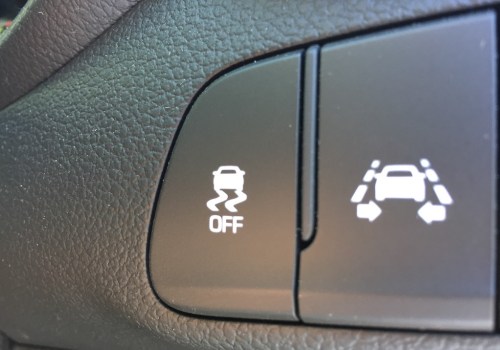
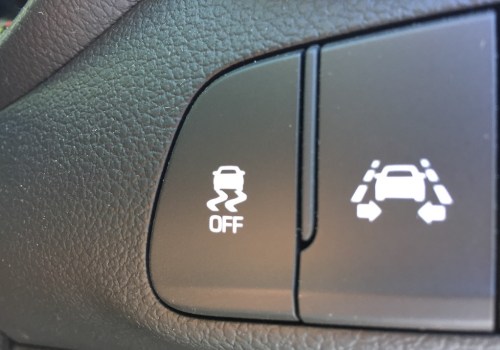
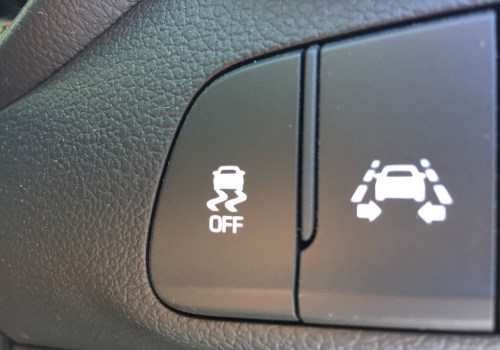
Electronic Stability Control, commonly referred to as ESC, is a crucial safety feature in modern vehicles designed to enhance driver control and prevent accidents. This advanced system works by automatically detecting and reducing loss of traction, which can occur during sudden turns or on slippery surfaces. By applying brakes to individual wheels and adjusting engine power, the ESC system helps maintain the vehicle's intended path, significantly reducing the risk of skidding or rolling over. The importance of the ESC system cannot be overstated. It has been shown to reduce the likelihood of fatal single-vehicle accidents by up to 75%.
This statistic highlights how vital ESC is in protecting drivers and passengers alike. As vehicles become more technologically advanced, the integration of systems like ESC has become standard, providing an additional layer of safety that complements traditional braking systems. Understanding how the ESC system operates is essential for every driver. When the ESC light illuminates on your dashboard, it serves as a warning that the system is either actively engaged or experiencing a malfunction. This light can indicate various issues, from minor sensor problems to more significant concerns that may affect vehicle stability.
Therefore, recognizing the implications of driving with the ESC light on is critical for maintaining safety on the road. In summary, the Electronic Stability Control system plays a pivotal role in modern automotive safety. By understanding its function and significance, drivers can make informed decisions about their vehicle's performance and safety features. As we delve deeper into this topic, we will explore what it means to drive with the ESC light on and how it impacts overall vehicle control.
What Does the ESC Light Indicate?
The ESC light , or Electronic Stability Control light, serves as a crucial indicator on your vehicle's dashboard, alerting you to potential issues with the stability control system. When this light illuminates, it can signify various conditions that may affect your vehicle's handling and safety. One of the primary reasons the ESC light may activate is when the system detects a loss of traction. , or Electronic Stability Control light, serves as a crucial indicator on your vehicle's dashboard, alerting you to potential issues with the stability control system. When this light illuminates, it can signify various conditions that may affect your vehicle's handling and safety. One of the primary reasons the ESC light may activate is when the system detects a loss of traction.This can occur in slippery conditions, such as rain, snow, or ice, where the wheels may spin or slide. In such scenarios, the ESC system engages to help maintain control by applying brakes to individual wheels and adjusting engine power. If you notice the ESC light on while driving in adverse weather, it’s a reminder to reduce your speed and drive cautiously. Another common trigger for the ESC light is a malfunction within the system itself. This could be due to a faulty sensor, such as the steering angle sensor or wheel speed sensors.
These components are vital for the ESC system to function correctly, as they provide real-time data about the vehicle's dynamics. If any of these sensors fail or send incorrect information, the ESC light will illuminate to alert you of a potential issue. Additionally, if your vehicle's anti-lock braking system (ABS) is experiencing problems, it can also cause the ESC light to turn on. Since ESC works in conjunction with ABS to enhance vehicle stability during braking, any malfunction in ABS can directly impact the performance of the ESC system. It’s essential to pay attention to dashboard warning lights like the ESC indicator. Ignoring these signals can lead to compromised vehicle safety and increased risk of accidents.
If you find that your ESC light remains illuminated after starting your vehicle or comes on while driving, it’s advisable to consult a qualified mechanic for a thorough diagnosis. In summary, understanding what the ESC light indicates is vital for maintaining your vehicle's safety and performance. Whether it’s a sign of slippery conditions or a malfunction within the stability control system, recognizing these warnings can help you take appropriate action and ensure safer driving experiences.
Can You Drive with the ESC Light On?
When the ESC light illuminates on your dashboard, it can be concerning for any driver. The question arises: can you safely drive with the ESC light on? The answer is not straightforward and depends on several factors. First, it’s essential to understand what the ESC light signifies. The Electronic Stability Control (ESC) system is designed to help maintain vehicle control during challenging driving conditions, such as slippery roads or sharp turns.When the ESC light is on, it indicates that the system is either actively engaged or has detected a malfunction.
Driving Scenarios with the ESC Light On
- Normal Conditions: If the ESC light comes on while driving under normal conditions, it may suggest that the system is attempting to assist with traction control. In this case, you can continue driving, but you should remain cautious and aware of your vehicle's handling.
- Slippery Roads: If you notice the ESC light activating while driving on wet or icy roads, it’s a sign that the system is working to prevent skidding. While it’s generally safe to drive, you should reduce your speed and increase your following distance to maintain control.
- Malfunctioning System: If the ESC light remains illuminated without any apparent reason, it could indicate a malfunction within the system. In this scenario, while you may still drive your vehicle, it’s advisable to do so with caution and seek professional assistance as soon as possible.
Risks of Ignoring the ESC Light
Ignoring the ESC light can lead to several risks:
- Loss of Control: If the ESC system is malfunctioning, you may lose critical support during adverse driving conditions, increasing the risk of accidents.
- Increased Wear and Tear: Continuing to drive with a faulty ESC system can lead to further damage to your vehicle's braking and handling systems.
- Safety Hazards: A malfunctioning ESC can compromise your ability to navigate turns safely or respond effectively in emergency situations.
If you find yourself in this situation, consider having your vehicle inspected by a qualified mechanic to ensure that your ESC system is functioning correctly and that your safety is not compromised.
Common Causes for an Illuminated ESC Light
The illumination of the ESC light on your dashboard can be a source of concern for many drivers. Understanding the common causes behind this warning can help you address potential issues before they escalate. Here are some frequent reasons why the ESC light may remain on:-
Faulty Wheel Speed Sensors: One of the primary components of the ESC system is the wheel speed sensor. These sensors monitor the speed of each wheel and send data to the vehicle's computer.
If a sensor malfunctions or becomes damaged, it can trigger the ESC light. This issue often arises from dirt, debris, or corrosion affecting the sensor's performance.
- Steering Angle Sensor Issues: The steering angle sensor plays a crucial role in determining the direction and angle of your steering wheel. If this sensor is faulty, it may send incorrect information to the ESC system, causing the light to illuminate. Regular calibration and maintenance of this sensor are essential for optimal performance.
-
Brake System Problems: Since ESC works in conjunction with your vehicle's braking system, any issues here can also trigger the ESC light.
Problems such as low brake fluid levels, worn brake pads, or malfunctioning ABS components can affect how well your ESC system functions.
- Tire Pressure Variations: The ESC system relies on accurate tire pressure readings to maintain stability. If one or more tires are under-inflated or over-inflated, it can lead to an imbalance that activates the ESC light. Regularly checking and maintaining proper tire pressure is vital for both safety and performance.
- Electrical Issues: Like any electronic system, the ESC is susceptible to electrical problems. Loose connections, damaged wiring, or blown fuses can disrupt communication within the system and cause the ESC light to stay illuminated.
-
Software Glitches: Occasionally, software issues within the vehicle's computer can lead to false warnings.
A simple reset or update may resolve these glitches, but it's advisable to consult a professional if you suspect this is the case.
The Role of Sensors in the ESC System
The Electronic Stability Control (ESC) system relies heavily on a network of sensors to ensure optimal vehicle stability and control. These sensors continuously monitor various parameters, allowing the ESC to make real-time adjustments to maintain traction and prevent skidding or loss of control. Key sensors involved in the ESC system include:- Yaw Rate Sensor: This sensor measures the vehicle's rotation around its vertical axis. By detecting any unintended yaw (sideways movement), the ESC can apply brakes to individual wheels to counteract this motion, helping to keep the vehicle on its intended path.
-
Steering Angle Sensor: This sensor tracks the angle of the steering wheel, providing data on the driver's intended direction.
If the vehicle begins to deviate from this path, the ESC can intervene by adjusting brake pressure or engine power to realign the vehicle with the driver's input.
- Wheel Speed Sensors: Located at each wheel, these sensors monitor the speed of rotation. They help determine if a wheel is slipping or losing traction. If a wheel is spinning faster than others, indicating a loss of grip, the ESC can apply brakes selectively to regain control.
- Accelerometer: This sensor measures acceleration forces acting on the vehicle. It helps the ESC assess how quickly the vehicle is changing speed and direction, allowing for timely adjustments to maintain stability.
When driving conditions become challenging—such as on wet or icy roads—the sensors work together to provide a comprehensive picture of vehicle dynamics. For instance, if a driver suddenly swerves to avoid an obstacle, the yaw rate sensor detects this rapid change in direction. Simultaneously, the steering angle sensor indicates where the driver intends to go. The ESC system can then apply brakes to specific wheels to help stabilize the vehicle and prevent skidding. In summary, without these sophisticated sensors, the ESC system would be unable to function effectively.
Their ability to provide real-time data allows for quick responses that enhance safety and improve overall driving experience. Understanding how these sensors work can help drivers appreciate the advanced technology that contributes to modern vehicle safety systems.
What to Do If Your ESC Light Stays On?
When the ESC light remains illuminated on your dashboard, it can be a source of concern for many drivers. Understanding the appropriate steps to take can help ensure your safety and the proper functioning of your vehicle. Here’s a comprehensive guide on what to do if you find yourself in this situation.1.Stay Calm and Assess the Situation
The first step is to remain calm.
The ESC light may indicate that the system is actively working to maintain traction, especially in slippery conditions. However, if the light stays on after you’ve started driving, it’s essential to assess your driving environment. Are the roads wet or icy? If so, reduce your speed and drive cautiously.
2.Check for Other Warning Lights
Look at your dashboard for any additional warning lights that may be illuminated. If other indicators, such as the ABS or brake warning light, are also on, this could signify a more serious issue that requires immediate attention.
3.Inspect Your Vehicle
-
Tire Condition: Ensure that your tires are properly inflated and have adequate tread depth.
Worn or improperly inflated tires can affect traction and trigger the ESC light.
- Steering Components: A malfunctioning steering angle sensor is a common cause of an illuminated ESC light. Check for any unusual steering behavior or noises.
- Brake System: Inspect your brake system for any signs of wear or damage, as issues here can also impact the ESC functionality.
4.Resetting the System
Sometimes, simply turning off your vehicle and restarting it can reset the ESC system. If the light goes off after restarting, monitor it closely during your next few drives. If it reappears, further investigation is necessary.
5.Consult Your Owner’s Manual
Your vehicle’s owner manual can provide specific information regarding the ESC system and what an illuminated light means for your make and model.
This resource can guide you through troubleshooting steps tailored to your vehicle.
6.When to Seek Professional Help
If the ESC light remains on after following these steps, it’s time to consult a qualified mechanic. Ignoring this warning could lead to compromised vehicle safety and performance. A professional will have the tools and expertise to diagnose any underlying issues accurately.
In summary, while it is possible to drive with the ESC light on, doing so without understanding its implications can be risky. By taking these proactive steps, you can ensure both your safety and that of others on the road.
The Importance of Regular Vehicle Maintenance for ESC Systems
Maintaining your vehicle is crucial for ensuring that all systems, including the Electronic Stability Control (ESC)), function optimally.Regular vehicle maintenance not only enhances the longevity of your car but also significantly contributes to your safety on the road. The ESC system plays a vital role in helping drivers maintain control during challenging driving conditions, and neglecting its upkeep can lead to serious consequences. One of the primary aspects of vehicle maintenance for the ESC system is routine inspections. These checks should include:
- Brake System Evaluation: Since the ESC system relies heavily on the braking system to function effectively, it is essential to have your brakes inspected regularly. Worn brake pads or malfunctioning brake components can hinder the ESC's ability to correct oversteer or understeer.
-
Sensor Calibration: The ESC system utilizes various sensors, including wheel speed sensors and steering angle sensors, to monitor vehicle dynamics.
Regular calibration of these sensors ensures accurate readings and optimal performance of the stability control system.
- Tire Condition and Pressure: Proper tire maintenance is critical for the effectiveness of the ESC system. Regularly check tire pressure and tread depth, as under-inflated or worn tires can compromise traction and stability.
- Fluid Levels: Ensure that all essential fluids, such as brake fluid and power steering fluid, are at appropriate levels. Low fluid levels can affect braking performance and steering response, which are crucial for the ESC's operation.
If the ESC light illuminates while driving, it may indicate a malfunction within the system. Addressing these warnings promptly by consulting a qualified mechanic can prevent further complications and ensure that your vehicle remains safe to drive. In summary, regular vehicle maintenance is indispensable for keeping your ESC system functioning correctly. By conducting routine checks and addressing any issues as they arise, you not only enhance your car's performance but also safeguard yourself and others on the road.
FAQs About Driving with the ESC Light On
When the ESC light illuminates on your dashboard, it can lead to a flurry of questions and concerns about your vehicle's safety and performance. Here are some frequently asked questions that can help clarify what it means to drive with the ESC light on.What does it mean when the ESC light is on?
The ESC light typically indicates that the electronic stability control system is actively engaged or has detected a malfunction.This system is designed to help maintain vehicle control during slippery conditions or sudden maneuvers. If the light is on, it may mean that the system is working to correct traction issues, or it could signal a problem that needs attention.
Can I drive my car with the ESC light on?
Yes, you can drive your vehicle with the ESC light illuminated, but it is essential to proceed with caution. The light may indicate that the system is not functioning correctly, which could compromise your vehicle's stability. If you notice this warning light, it's advisable to reduce your speed and drive carefully until you can have the vehicle inspected by a professional.What should I do if the ESC light stays on?
If the ESC light remains illuminated after starting your vehicle, it’s a good idea to have it checked as soon as possible.Ignoring this warning could lead to decreased handling and increased risk of accidents. A qualified mechanic can diagnose the issue, which may involve checking sensors, wiring, or other components of the ESC system.
Are there any other warning lights that may accompany the ESC light?
Yes, often the ESC light may appear alongside other warning lights such as the ABS (Anti-lock Braking System) or traction control lights. This could indicate a broader issue with your vehicle's braking or stability systems. Pay attention to any additional warnings and consult a mechanic for a comprehensive evaluation.How can I prevent issues with my ESC system?
- Regular Maintenance: Ensure your vehicle undergoes regular maintenance checks to keep all systems functioning properly.
- Tire Health: Maintain proper tire pressure and tread depth, as these factors significantly affect traction and stability.
- Avoid Modifications: Be cautious with aftermarket modifications that could interfere with your vehicle's stability control systems.
Always prioritize safety by addressing any warning lights promptly.
Conclusion: Key Takeaways About Driving with an Illuminated ESC Light
In summary, understanding the implications of an illuminated ESC light is crucial for every driver. While it is technically possible to drive with the ESC light on, doing so can indicate underlying issues that may compromise your vehicle's safety and handling. Here are the key takeaways to consider:- ESC Functionality: The Electronic Stability Control system plays a vital role in maintaining vehicle stability, especially in challenging driving conditions. It works by monitoring the vehicle's movement and making real-time adjustments to help prevent skidding or loss of control.
-
Potential Risks: Driving with the ESC light illuminated may suggest that the system is not functioning correctly.
This could lead to decreased traction and increased risk of accidents, particularly on slippery or uneven surfaces.
- Immediate Action Required: If the ESC light remains on after starting your vehicle, it is advisable to have your car inspected by a qualified mechanic. Ignoring this warning could lead to more severe issues down the line.
- Driving Conditions Matter: While you can continue driving with the ESC light on, it is essential to adjust your driving behavior. Slowing down and being more cautious can help mitigate risks until the issue is resolved.
- Regular Maintenance: Regular vehicle maintenance can help prevent issues with the ESC system. Ensure that your car undergoes routine checks, including brake inspections and sensor calibrations, to keep the system functioning optimally.
Prioritizing timely diagnostics and repairs will not only enhance your driving experience but also ensure your safety and that of others on the road.