The Electronic Stability Control (ESC) system is a crucial component of modern vehicle safety technology, designed to enhance the driver's control over the vehicle during challenging driving conditions. By continuously monitoring the vehicle's trajectory and comparing it to the driver's intended path, the ESC system can intervene when it detects a loss of traction or stability. This intervention typically involves selectively applying brakes to individual wheels, helping to prevent skidding and potential accidents. When the ESC light illuminates on your dashboard, it serves as an important indicator of the system's status. Understanding what this light signifies is essential for any driver, as it can mean the difference between safe driving and a hazardous situation.
The light may activate under various circumstances, such as when the system is actively working to maintain control or when there is a malfunction that requires attention. Therefore, recognizing the implications of the ESC light is vital for ensuring your vehicle operates safely. In addition to its primary function of maintaining stability, the ESC system plays a significant role in overall vehicle safety systems. It works in conjunction with other technologies like anti-lock braking systems (ABS) and traction control systems (TCS) to provide a comprehensive safety net for drivers. As vehicles become more advanced, understanding these systems and their indicators becomes increasingly important for all drivers, regardless of their experience level. As we delve deeper into the workings of the ESC system and what it means when the ESC light comes on, we will explore common causes for its activation, potential malfunctions, and what steps you should take if you find yourself facing this warning.
Being informed about your vehicle's safety features not only enhances your driving experience but also contributes to safer roads for everyone.
What is the ESC System?
The Electronic Stability Control (ESC) system is a crucial safety feature in modern vehicles, designed to enhance stability and prevent skidding or loss of control during challenging driving conditions. By utilizing a combination of sensors and advanced algorithms, the ESC system actively monitors the vehicle's dynamics and intervenes when necessary to maintain control. At its core, the ESC system comprises several key components:- Wheel Speed Sensors: These sensors monitor the rotational speed of each wheel. By comparing the speeds, the system can detect if a wheel is spinning faster than others, indicating potential loss of traction.
- Steering Angle Sensor: This sensor measures the angle of the steering wheel, providing data on the driver's intended direction. If there is a discrepancy between the steering input and the vehicle's actual path, the ESC can intervene.
- Yaw Rate Sensor: This component detects the vehicle's rotation around its vertical axis.
It helps determine if the car is turning more or less than intended, which is critical for maintaining stability.
- Brake System: The ESC system works in conjunction with the anti-lock braking system (ABS) to apply brakes selectively to individual wheels. This targeted braking helps correct oversteer or understeer situations.
- Monitoring: The ESC continuously monitors data from its sensors while driving. It assesses factors such as wheel speed, steering angle, and yaw rate to determine if the vehicle is behaving as expected.
- Detection: If the system detects a loss of traction or instability—such as during sharp turns or slippery conditions—it recognizes that corrective action is needed.
- Intervention: The ESC activates by applying brakes to specific wheels. For instance, if the rear wheels are sliding out during a turn, it may apply brakes to one or both front wheels to help steer the vehicle back on course.
Understanding how your vehicle's ESC system functions can empower you as a driver, allowing you to appreciate its role in enhancing safety on the road.
Common Reasons for the ESC Light Activation
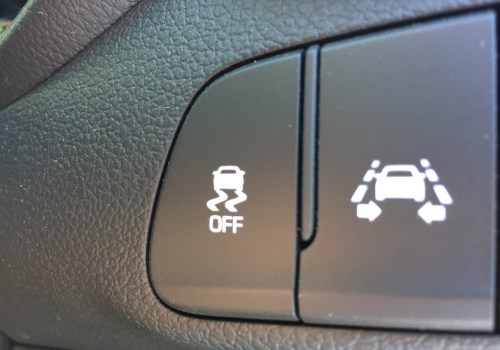
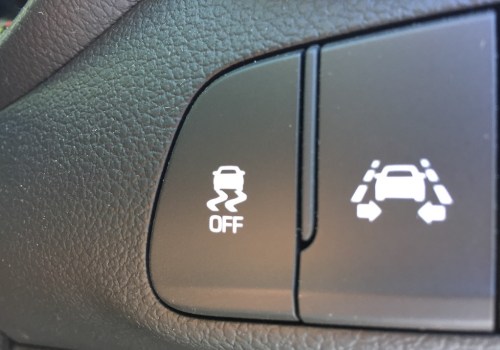
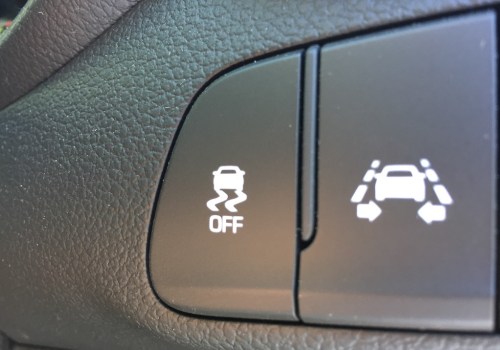
The illumination of the ESC light can be a source of concern for many drivers, as it often indicates that the vehicle's stability control system is experiencing issues. Understanding the common reasons behind this warning light can help you diagnose potential problems and take appropriate action. Here are some of the most frequent causes for the ESC light activation:- System Deactivation: One of the simplest reasons for the ESC light to come on is that the system has been manually turned off. Many vehicles have a switch or button that allows drivers to disable the ESC system, often for specific driving conditions such as off-roading or racing.
If you notice the ESC light illuminated, check your vehicle's settings to ensure that the system is activated.
- Faulty Wheel Speed Sensors: The ESC system relies heavily on accurate data from wheel speed sensors to function correctly. If one or more of these sensors are malfunctioning or damaged, it can lead to incorrect readings, causing the ESC light to activate. Regular maintenance and inspections can help identify and replace faulty sensors before they lead to more significant issues.
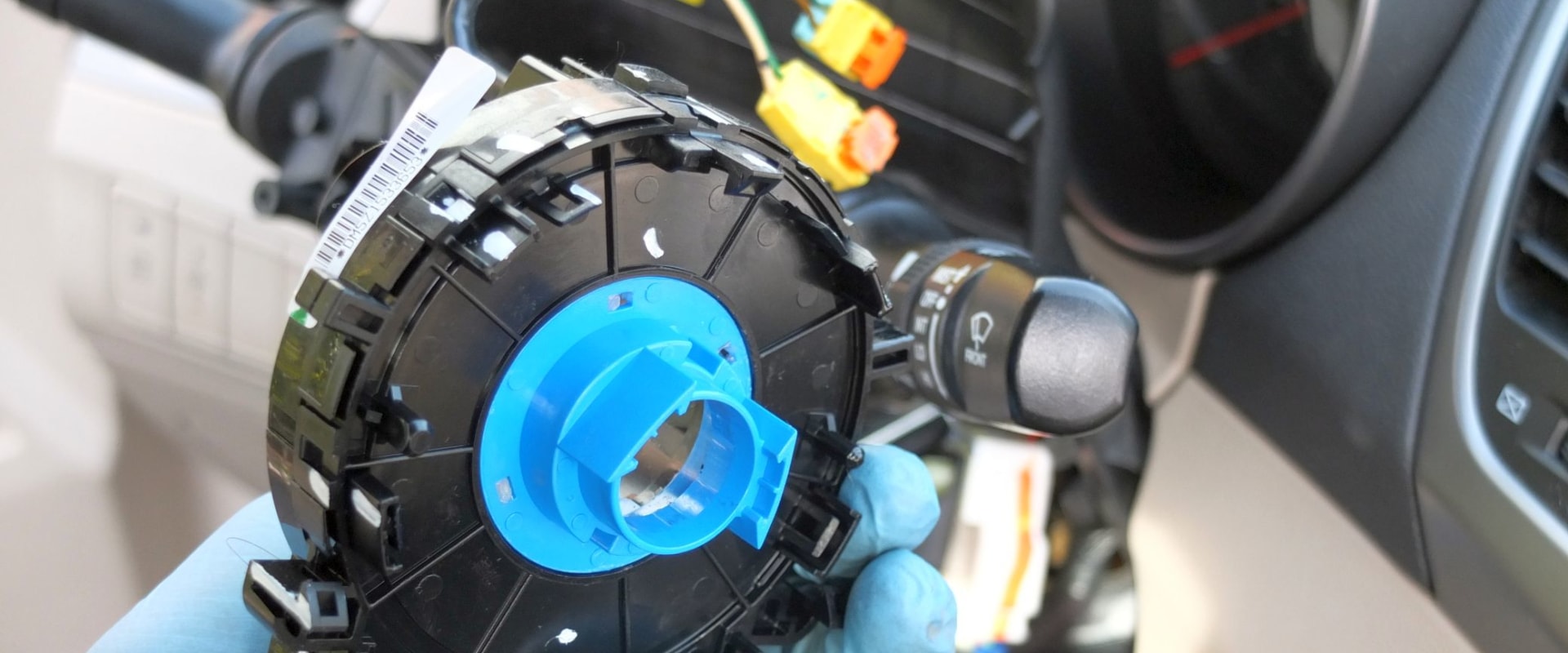
- Steering Angle Sensor Issues: The steering angle sensor plays a crucial role in determining the vehicle's direction and stability. If this sensor is not functioning properly, it can send incorrect information to the ESC system, resulting in the activation of the warning light.
A malfunctioning steering angle sensor may require recalibration or replacement to restore proper functionality.
- Brake System Problems: Since the ESC system works in conjunction with your vehicle's braking system, any issues within this system can trigger the ESC light. Problems such as low brake fluid levels, worn brake pads, or malfunctioning ABS components can all affect stability control performance. Regular brake inspections are essential for maintaining both safety and functionality.
- Electrical Issues: Like many modern automotive systems, the ESC relies on a network of electrical components and connections. Corroded connectors, damaged wiring, or blown fuses can disrupt communication between components, leading to unexpected behavior and triggering the ESC light.
A thorough electrical inspection may be necessary to identify and resolve these issues.
What Does It Mean When the ESC Light Stays On?
When the ESC light remains illuminated on your dashboard, it serves as a critical warning that should not be ignored. This persistent light indicates that there may be an issue with your vehicle's Electronic Stability Control (ESC) system, which is designed to enhance vehicle stability by detecting and reducing loss of traction.Understanding the implications of a constantly lit ESC light is essential for maintaining both your vehicle's performance and your safety on the road. One of the primary reasons for a continuously illuminated ESC light is a malfunction within the system itself. This could stem from various components, such as:
- Faulty Wheel Speed Sensors: These sensors monitor the speed of each wheel and provide data to the ESC system. If one or more sensors fail, it can lead to incorrect readings, causing the ESC light to stay on.
- Steering Angle Sensor Issues: The steering angle sensor helps the ESC system determine the direction in which the driver intends to go. A malfunction here can confuse the system, leading to a constant warning light.
- Brake System Problems: Since the ESC system often works in conjunction with the anti-lock braking system (ABS), any issues with your brakes can trigger the ESC light.
- Electrical Failures: Wiring issues or blown fuses can disrupt communication between various components of the ESC system, resulting in a persistent warning light.
Ignoring it could lead to serious safety concerns. A malfunctioning ESC system may not effectively assist in maintaining control during slippery conditions or sudden maneuvers, increasing the risk of accidents. To troubleshoot a constant ESC light, consider taking the following steps:
- Check for Diagnostic Trouble Codes (DTCs): Use an OBD-II scanner to retrieve any error codes that may provide insight into what is causing the issue.
- Inspect Wheel Speed Sensors: Examine these sensors for any visible damage or disconnections.
- Evaluate Brake System Components: Ensure that your brake pads, rotors, and fluid levels are in good condition.
- Consult a Professional Mechanic: If you are unable to identify or resolve the issue yourself, seek assistance from a qualified technician who can perform a thorough diagnostic check.
What to Do When the ESC Light Comes On?
When the ESC light illuminates on your dashboard, it serves as a crucial alert regarding your vehicle's stability control system. Understanding how to respond effectively can help ensure your safety and the proper functioning of your vehicle.Here are some actionable steps to take when you see the ESC light activate:
- Stay Calm: The first step is to remain calm. The ESC light may indicate that the system is actively working to maintain traction, especially in slippery conditions.
- Assess Driving Conditions: Evaluate the road conditions. If you are driving on wet, icy, or uneven surfaces, the ESC system may be engaged to help stabilize your vehicle.
- Reduce Speed: If the ESC light comes on while driving, gradually reduce your speed. This can help prevent loss of control and allow the ESC system to function more effectively.
- Avoid Sudden Movements: Steer gently and avoid sudden acceleration or braking.
Abrupt actions can exacerbate instability and may trigger further engagement of the ESC system.
- Check for Other Warning Lights: Look for any additional warning lights on your dashboard. If other indicators are illuminated, it may suggest a more serious issue that requires immediate attention.
- Turn Off the Vehicle: Safely pull over and turn off your vehicle. Wait a few moments before restarting it.
Sometimes, a simple reset can resolve minor electronic glitches.
- Inspect Wheel Speed Sensors: Faulty wheel speed sensors are common culprits for an illuminated ESC light. If you have experience with vehicle maintenance, check these sensors for any visible damage or disconnection.
- Examine Steering Angle Sensor: A malfunctioning steering angle sensor can also trigger the ESC light. If you suspect this is the case, consult a professional mechanic for further diagnosis.
- Consult Your Owner’s Manual: Refer to your vehicle’s owner’s manual for specific guidance related to the ESC system and troubleshooting steps tailored to your make and model.
The Role of Wheel Speed Sensors in the ESC System
Wheel speed sensors are integral components of the Electronic Stability Control (ESC) system, playing a pivotal role in maintaining vehicle stability and safety.These sensors monitor the rotational speed of each wheel, providing real-time data to the vehicle's onboard computer. This information is crucial for the ESC system to function effectively, as it allows the system to detect any discrepancies in wheel speed that may indicate a loss of traction. When a vehicle begins to skid or lose grip, the ESC system relies on data from the wheel speed sensors to determine which wheels are spinning faster than others. For instance, if one wheel is rotating significantly faster than its counterparts, it may suggest that the vehicle is losing traction on a slippery surface. In such cases, the ESC system can intervene by applying brakes selectively to individual wheels, helping to regain control and prevent skidding.
Functionality of Wheel Speed Sensors
Typically, wheel speed sensors operate using either magnetic or optical technology.Magnetic sensors generate a voltage signal based on the rotation of a toothed ring attached to the wheel hub. Optical sensors, on the other hand, use light beams to detect wheel rotation. Regardless of the technology used, these sensors must function accurately for the ESC system to respond appropriately.
Impact of Sensor Malfunction
If a wheel speed sensor fails or provides inaccurate readings, it can lead to significant issues within the ESC system. A malfunctioning sensor may cause the ESC light to illuminate on your dashboard, indicating that there is a problem with the stability control system.In some cases, this could mean that the ESC is unable to assist in maintaining vehicle stability during critical driving conditions. Moreover, if multiple sensors are affected or if they send conflicting signals, it can confuse the ESC system, leading to erratic behavior such as unintended braking or failure to engage when needed. This not only compromises safety but can also result in increased wear and tear on other components of the braking system.
Importance of Regular Maintenance
Given their crucial role in vehicle safety, it is essential to ensure that wheel speed sensors are functioning correctly. Regular maintenance checks can help identify any potential issues before they escalate into serious problems. If you notice that your ESC light is illuminated or if you experience unusual handling characteristics while driving, it is advisable to have your vehicle inspected by a qualified technician who can diagnose and address any sensor-related issues. In summary, wheel speed sensors are vital for the effective operation of the ESC system.Their ability to provide accurate data on wheel rotation speeds directly influences how well your vehicle can maintain stability and control under various driving conditions. Ensuring these sensors are in good working order is key to safe driving.
Understanding Other Related Warning Lights
When it comes to vehicle safety, dashboard warning lights serve as crucial indicators of your car's health and performance. Among these, the ESC light (Electronic Stability Control) is particularly significant, but it is essential to understand how it relates to other warning lights, such as the ABS light (Anti-lock Braking System) and the traction control light. The ESC light primarily indicates that the electronic stability control system is either actively working to maintain vehicle stability or that there is a malfunction within the system. When this light illuminates, it often means that the vehicle is experiencing conditions where traction is compromised, such as on slippery roads or during sharp turns. In contrast, the ABS light serves a different purpose.It alerts the driver to issues with the anti-lock braking system, which prevents wheel lock-up during hard braking. If the ABS light comes on, it may indicate a malfunction in the ABS system itself or a problem with the brake system overall. While both systems are designed to enhance vehicle safety, they operate independently and address different aspects of vehicle control. The traction control light , often represented by a car icon with skid marks, indicates that the traction control system is actively engaged. This system works in conjunction with both ESC and ABS to prevent wheel spin during acceleration.
If this light flashes while driving, it means that the system is functioning correctly by applying brakes to individual wheels or reducing engine power to maintain traction. Understanding these warning lights can help drivers make informed decisions about their vehicle's condition. For instance:
- If the ESC light is on but the ABS light is off, it may suggest that while stability control is compromised, your braking system remains functional.
- If both lights are illuminated simultaneously, it could indicate a more serious issue requiring immediate attention.
- A flashing traction control light while driving on slippery surfaces typically means that the system is working as intended.
Preventive Measures for Maintaining Your ESC System
Maintaining your ESC system is crucial for ensuring the safety and stability of your vehicle. Regular preventive measures can help you avoid potential malfunctions and keep your vehicle performing optimally.Here are some essential tips for maintaining your electronic stability control system:
- Regular Inspections: Schedule routine inspections of your vehicle, focusing on the ESC system components. This includes checking the wheel speed sensors, steering angle sensors, and the overall functionality of the system.
- Monitor Warning Lights: Pay attention to any warning lights on your dashboard, especially the ESC light. If it illuminates or remains on, it may indicate a problem that requires immediate attention.
- Check Tire Condition: Ensure that your tires are in good condition and properly inflated. Uneven tire wear or incorrect tire pressure can affect the performance of the ESC system, as it relies on accurate wheel speed data.
- Brake System Maintenance: Since the ESC system works in conjunction with your vehicle's braking system, regular brake maintenance is essential.
Check brake pads, rotors, and fluid levels to ensure they are functioning correctly.
- Software Updates: Some vehicles may require software updates for their ESC systems. Consult your vehicle’s manufacturer or dealership to see if any updates are available that could enhance system performance.
- Driving Habits: Adopt safe driving practices that minimize the risk of losing control of your vehicle. Avoid aggressive driving maneuvers and be cautious in adverse weather conditions.
Remember, a well-maintained ESC system can be a lifesaver in critical situations, providing you with greater control and stability on the road.
Frequently Asked Questions About the ESC System
Understanding the ESC system can be crucial for maintaining vehicle safety and performance. Here are some frequently asked questions that can help clarify common concerns regarding the electronic stability control system and its warning light.What does it mean if the ESC light comes on while driving?
If the ESC light illuminates while you are driving, it typically indicates that the system is actively working to maintain traction and stability. This may occur during slippery conditions or when making sharp turns. If the light flashes, it means the system is engaged, helping to prevent skidding or loss of control.However, if the light remains on continuously, it could signify a malfunction or that the system has been disabled.
Can I drive my car if the ESC light is on?
While it may be possible to drive your vehicle with the ESC light illuminated, it is not advisable. A constant ESC light suggests that there may be an issue with the system that could compromise your vehicle's stability. It is best to have your vehicle inspected by a qualified technician to diagnose and resolve any underlying problems.What are common causes for the ESC light to stay on?
- Disabled System: The ESC may have been manually turned off, often via a button on the dashboard.
- Faulty Wheel Speed Sensors: These sensors monitor wheel rotation and can trigger the ESC light if they malfunction.
- Steering Angle Sensor Issues: A malfunctioning steering angle sensor can lead to incorrect readings, causing the ESC light to activate.
- Brake System Problems: Issues with the braking system can also affect the ESC's functionality, leading to warning lights.
How can I troubleshoot my ESC system?
If you notice that your ESC light is on, consider taking these steps:- Check for Manual Disabling: Ensure that the ESC system has not been turned off intentionally.
- Inspect Wheel Speed Sensors: Look for any visible damage or disconnection in the wheel speed sensors.
- Examine Steering Angle Sensor: A diagnostic tool can help determine if this sensor is functioning correctly.
- Consult a Professional: If you cannot identify the issue, seek assistance from a certified mechanic who can perform a thorough diagnostic check.
Conclusion: Key Takeaways About Your Vehicle's ESC System
Understanding the ESC system is crucial for every driver, as it plays a vital role in maintaining vehicle stability and safety. When the ESC light illuminates on your dashboard, it serves as an important indicator that requires your attention.Here are the key takeaways regarding the significance of the ESC system and what actions you should consider when faced with an illuminated ESC light.
- Functionality of the ESC System: The Electronic Stability Control (ESC) system is designed to help prevent skidding and loss of control during challenging driving conditions. It achieves this by monitoring wheel speed, steering angle, and other parameters to detect any discrepancies that may indicate a loss of traction.
- What the ESC Light Indicates: If the ESC light comes on while driving, it typically means that the system is actively working to maintain control. However, if the light remains illuminated after starting your vehicle or stays on continuously, it may indicate a malfunction or that the system has been disabled.
- Common Causes for ESC Light Activation: The most frequent reasons for an illuminated ESC light include a deactivated system, faulty wheel speed sensors, or issues with the steering angle sensor. Understanding these causes can help you diagnose potential problems more effectively.
- Immediate Actions to Take: If you notice the ESC light on your dashboard, it is essential to assess your driving conditions.
If you are driving on slippery surfaces and the light flashes intermittently, this is normal operation. However, if it stays on consistently, consider pulling over safely and consulting a professional mechanic.
- Importance of Regular Maintenance: Regular vehicle maintenance can help prevent issues with your ESC system. Ensure that your vehicle's sensors and systems are checked during routine service appointments to keep everything functioning correctly.