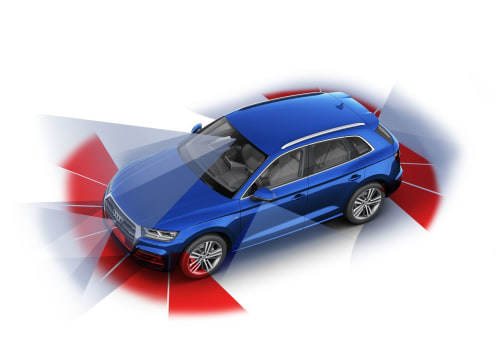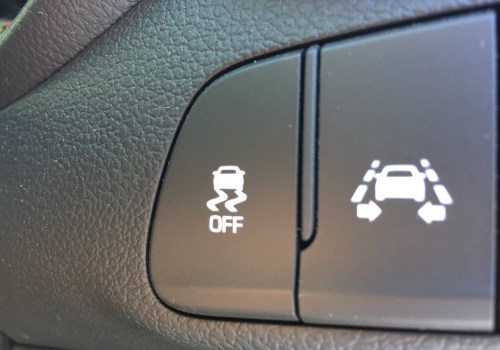
The Electronic Stability Control (ESC) system is a vital safety feature in modern vehicles, designed to enhance stability and control during challenging driving conditions. By continuously monitoring the vehicle's trajectory and wheel speed, the ESC system can detect when a vehicle is losing traction or skidding. When such situations arise, the system intervenes by selectively applying brakes to individual wheels, helping to steer the vehicle back on course. This technology is particularly beneficial in adverse weather conditions, such as rain or snow, where maintaining control can be difficult. Understanding how the ESC system operates is crucial for every driver.
The system works in conjunction with other safety features like anti-lock braking systems (ABS) and traction control systems. When the ESC detects a loss of control, it activates the brakes on specific wheels to counteract oversteering or understeering. This process occurs rapidly and often without the driver even realizing it, allowing for a smoother driving experience while significantly reducing the risk of accidents. The importance of the ESC system cannot be overstated. Studies have shown that vehicles equipped with ESC are less likely to be involved in single-vehicle crashes and rollovers.
This is especially critical for drivers who may not have extensive experience in handling their vehicles under slippery or unstable conditions. By providing an additional layer of safety, the ESC system not only protects the driver but also enhances overall road safety for everyone. However, like any electronic system, the ESC can encounter issues that may trigger warning lights on your dashboard. Recognizing these alerts and understanding how to reset the ESC light is essential for maintaining your vehicle's safety features. Ignoring these warnings could lead to compromised vehicle stability, making it imperative for drivers to stay informed about their ESC systems.
Common Reasons for ESC Light Activation
The illumination of the ESC light can be a source of concern for many drivers, as it indicates that the electronic stability control system has detected an issue.Understanding the common reasons behind this activation is crucial for effective troubleshooting and ensuring your vehicle's safety.
- Faulty Wheel Speed Sensors: One of the primary reasons for the ESC light to activate is a malfunction in the wheel speed sensors. These sensors monitor the speed of each wheel and relay this information to the ESC system. If a sensor is damaged or fails, it can send incorrect data, causing the ESC light to illuminate. Regular checks and maintenance of these sensors can help prevent this issue.
- System Malfunctions: The ESC system itself may experience malfunctions due to software glitches or hardware failures.
This could be related to the control module that manages the ESC functions. If you suspect a system malfunction, it’s advisable to have a professional diagnostic performed to identify any underlying issues.
- Low Brake Fluid Levels: The ESC system relies on proper brake function to maintain vehicle stability. Low brake fluid levels can trigger the ESC light as it may indicate a leak or other braking system issues. Regularly checking your brake fluid levels can help you catch this problem early.
- Using a Spare Tire: If you have recently installed a spare tire that differs in size from your regular tires, this can confuse the ESC system.
The discrepancy in wheel size affects the readings from the wheel speed sensors, leading to potential activation of the ESC light. Always ensure that your spare tire matches the specifications of your vehicle.
- Electrical Issues: Wiring problems or poor connections within the ESC system can also cause the light to turn on. Corroded connectors or damaged wiring harnesses may disrupt communication between components, leading to erroneous alerts. Inspecting these connections can help identify and resolve such issues.
Regular maintenance and prompt attention to warning lights can significantly enhance vehicle safety and performance.
How to Reset the ESC Light
Resetting the ESC light is a crucial step in ensuring your vehicle's electronic stability control system functions properly. If the ESC light remains illuminated, it can indicate a malfunction or that the system has been disabled. Here’s a detailed guide on how to reset the ESC light effectively.Step 1: Turn Off the Ignition
- Begin by turning off your vehicle's ignition completely. This is essential as it allows the system to reset without any interference.
Step 2: Disconnect the Battery
- Open the hood and locate the battery.
Using a wrench, carefully disconnect the negative terminal (usually marked with a minus sign). This step helps to clear any stored error codes in the ESC system.
- Wait for at least 15 minutes before reconnecting the battery. This waiting period allows any residual power to dissipate, ensuring a complete reset.
Step 3: Reconnect the Battery
- After waiting, reconnect the negative terminal securely. Make sure it is tight to prevent any future disconnections while driving.
Step 4: Start Your Vehicle
- Turn on your vehicle and observe the dashboard.
The ESC light should illuminate briefly as part of the self-check process and then turn off. If it remains on, further diagnostics may be necessary.
Step 5: Check for Error Codes
- If the ESC light does not turn off, it may indicate an underlying issue. Use an OBD-II scanner to check for any error codes that could provide insight into what might be wrong with your ESC system.
Additional Tips:
- If you are unsure about performing these steps yourself, consider consulting a professional mechanic who can assist with resetting the ESC light and diagnosing any potential issues.
- Regular maintenance of your vehicle can help prevent issues with the ESC system and keep your vehicle running smoothly.
When to Seek Professional Help
While many drivers may feel comfortable troubleshooting minor issues with their vehicle's ESC system, there are specific scenarios where seeking professional help is not just advisable but essential for safety. Understanding when to consult a mechanic can save you from potential accidents and costly repairs down the line.Persistent ESC Light Activation
If the ESC light remains illuminated on your dashboard after you have attempted to reset it, this is a clear indication that something is amiss.
The light should typically turn off after a brief period when the vehicle is started. If it stays on, it suggests that the system has detected an ongoing issue that requires expert diagnosis.
Unusual Vehicle Behavior
Another critical sign that you should seek professional assistance is if you notice any unusual behavior while driving. This includes:
- Loss of traction: If your vehicle struggles to maintain grip on the road, especially in wet or slippery conditions, it may indicate a malfunctioning ESC system.
- Unexpected braking: If the brakes engage without your input, this could be a sign of a serious issue within the ESC system.
- Difficulty steering: If you find it hard to control your vehicle or if it feels like it's pulling to one side, this could also point to problems with the ESC.
Warning Messages and Alerts
Modern vehicles are equipped with advanced diagnostic systems that will often provide alerts when something is wrong. If your dashboard displays any warning messages related to the ESC system, do not ignore them.
These alerts are designed to inform you of potential safety hazards and should be taken seriously.
Regular Maintenance Checks
If your vehicle is due for a maintenance check, it's wise to have the ESC system evaluated by a professional. Regular inspections can help identify issues before they escalate into more significant problems. Mechanics can perform comprehensive diagnostics that include checking wheel speed sensors, brake systems, and other components integral to the ESC's functionality.
Conclusion
Your safety on the road should always be your top priority. If you experience any of the above symptoms or if the ESC light remains on despite attempts to reset it, do not hesitate to contact a qualified mechanic.
Addressing these issues promptly can prevent dangerous situations and ensure that your vehicle operates safely and efficiently.
Preventive Measures for ESC System Maintenance
Maintaining your vehicle's ESC system is crucial for ensuring optimal performance and safety on the road. Regular maintenance not only helps in preventing the activation of the ESC light but also enhances the overall driving experience. Here are some practical tips to keep your ESC system in top shape:- Regularly Inspect Wheel Speed Sensors: The wheel speed sensors play a vital role in the functioning of the ESC system. Make it a habit to check these sensors for any signs of damage or wear.
If you notice any issues, have them replaced promptly to avoid triggering the ESC light.
- Check Tire Condition and Pressure: Proper tire maintenance is essential for the ESC system to function effectively. Ensure that your tires are in good condition and inflated to the recommended pressure. Uneven tire wear or incorrect pressure can lead to discrepancies that may activate the ESC light.
- Maintain Brake System: The ESC system relies heavily on the vehicle's braking system. Regularly check your brake pads, rotors, and fluid levels.
If you experience any unusual noises or reduced braking performance, have your brakes inspected by a professional.
- Keep Software Updated: Many modern vehicles come equipped with advanced electronic systems, including the ESC. Ensure that your vehicle's software is up-to-date, as manufacturers often release updates that can improve system performance and address known issues.
- Monitor Battery Health: A weak or failing battery can cause various electronic systems, including the ESC, to malfunction. Regularly check your battery's health and replace it if necessary to prevent unexpected issues.
- Avoid Overloading Your Vehicle: Excess weight can affect how your vehicle handles and may lead to unnecessary activation of the ESC system. Always adhere to your vehicle's load capacity guidelines to maintain stability and control.
Regular checks and proactive care will not only help keep the ESC light off but also enhance your vehicle's overall safety and performance.
FAQs About the ESC System and Light Resetting
When it comes to the ESC system, many vehicle owners have questions regarding its functionality and the implications of the ESC light. Below are some frequently asked questions that can help clarify common concerns.- What does the ESC light indicate?
The ESC light serves as a warning that there may be an issue with your vehicle's electronic stability control system. It can illuminate for various reasons, including when the system is actively engaged or if there is a malfunction. - How can I reset the ESC light?
To reset the ESC light, you can start by turning off your vehicle and then restarting it. If the light remains on, check your owner’s manual for specific instructions related to your make and model.In some cases, disconnecting the battery for a few minutes may also reset the system.
- Why does my ESC light stay on?
If the ESC light stays illuminated, it could indicate a persistent issue with the system, such as faulty wheel speed sensors or a malfunctioning ABS module. It’s advisable to have your vehicle inspected by a professional mechanic to diagnose and resolve any underlying problems. - Can I drive with the ESC light on?
While it is possible to drive with the ESC light on, it is not recommended. The light indicates that your vehicle's stability control may not be functioning correctly, which could compromise your safety, especially in adverse driving conditions. - What should I do if my ESC light comes on while driving?
If the ESC light activates while you are driving, it’s essential to remain calm. Reduce your speed and drive cautiously.If the light continues to flash or stays on after you have stopped and restarted your vehicle, seek professional assistance as soon as possible.
- Is there a difference between ESC and ABS?
Yes, while both systems enhance vehicle safety, they serve different purposes. The ESC system helps maintain vehicle stability during turns and slippery conditions by applying brakes to individual wheels. In contrast, ABS (Anti-lock Braking System) prevents wheel lock-up during hard braking.
Conclusion: Ensuring Your Vehicle's Safety with Proper ESC Management
In conclusion, understanding and managing your vehicle's ESC system is crucial for ensuring safety on the road.The Electronic Stability Control system plays a vital role in maintaining vehicle stability, especially in challenging driving conditions. By monitoring wheel speed and adjusting braking as necessary, the ESC system helps prevent skidding and loss of control. It is essential to recognize the signs that indicate your ESC system may not be functioning correctly. If the ESC light illuminates on your dashboard, it serves as a warning that requires immediate attention. Ignoring this warning can lead to dangerous driving situations, particularly in adverse weather conditions or during sudden maneuvers. Regular maintenance and timely diagnostics are key to keeping your ESC system in optimal condition.
Here are some important steps to consider:
- Routine Inspections: Schedule regular check-ups with a qualified mechanic who can assess the functionality of your ESC system and related components.
- Monitor Warning Lights: Pay close attention to any dashboard alerts. If the ESC light remains illuminated or flashes unexpectedly, seek professional assistance.
- Understand Your Vehicle: Familiarize yourself with how your specific ESC system operates. Different vehicles may have unique features or requirements.
- Address Issues Promptly: If you notice any irregularities in vehicle handling or performance, do not hesitate to have them checked out. Early intervention can prevent more significant problems down the line.
Remember, the ESC system is designed to assist you, but it is not a substitute for safe driving practices. Always remain vigilant and adjust your driving behavior according to road conditions. Ultimately, a well-functioning ESC system contributes significantly to overall vehicle safety. By understanding its importance and maintaining it properly, you can drive with confidence, knowing that you have taken the necessary steps to protect yourself and others on the road.