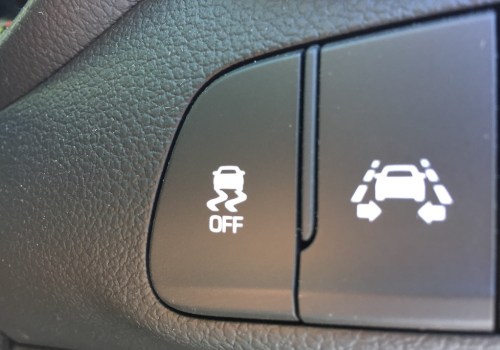
The Electronic Stability Control (ESC) system is a vital safety feature in modern vehicles, designed to enhance the driver's control and prevent accidents. By continuously monitoring the vehicle's trajectory and comparing it to the driver's intended path, the ESC system can intervene when it detects a loss of traction. This is particularly crucial in challenging driving conditions, such as wet or icy roads, where maintaining control can be difficult. Additionally, drivers should be aware that proper visibility, including the clarity of license plates, is essential for safe driving. system is a vital safety feature in modern vehicles, designed to enhance the driver's control and prevent accidents. By continuously monitoring the vehicle's trajectory and comparing it to the driver's intended path, the ESC system can intervene when it detects a loss of traction. This is particularly crucial in challenging driving conditions, such as wet or icy roads, where maintaining control can be difficult. Additionally, drivers should be aware that proper visibility, including the clarity of license plates, is essential for safe driving.
Understanding how the ESC system operates is essential for every driver, as it plays a significant role in ensuring safety on the road. When the ESC system is functioning correctly, it can significantly reduce the risk of skidding and rollover accidents. It achieves this by applying brakes to individual wheels and adjusting engine power when necessary, helping to stabilize the vehicle during sharp turns or sudden maneuvers. However, if the ESC light illuminates on your dashboard, it serves as a warning that something may be amiss with this critical system. Ignoring this warning could lead to dangerous situations, especially if you find yourself driving in adverse weather conditions. Moreover, understanding the implications of the ESC light can empower drivers to make informed decisions about their vehicle's safety.
While it may be tempting to continue driving with the light on, recognizing that this could indicate a malfunction or a need for maintenance is crucial. In this article, we will delve deeper into what it means when the ESC light activates, how it affects your driving experience, and what steps you should take to ensure your safety on the road.
What is the ESC System?
The Electronic Stability Control (ESC) system is a crucial safety feature in modern vehicles designed to enhance stability and control during challenging driving conditions. It works by automatically detecting and reducing loss of traction, helping drivers maintain control of their vehicles in situations where skidding or loss of grip may occur. At its core, the ESC system utilizes a combination of sensors and computer algorithms to monitor the vehicle's dynamics. These sensors track various parameters, including wheel speed, steering angle, and lateral acceleration.By continuously analyzing this data, the ESC system can determine whether the vehicle is following the driver's intended path or if it is beginning to skid. When the ESC system detects a potential loss of control, it intervenes by selectively applying brakes to individual wheels. This braking action helps to counteract oversteering or understeering, allowing the driver to regain control. For instance, if the rear wheels begin to slide out during a turn, the ESC may apply the brakes to the outer front wheel to help steer the vehicle back on course. In addition to braking interventions, the ESC system may also adjust engine power output to further assist in maintaining stability. This dual approach—braking and power modulation—ensures that drivers have a better chance of avoiding accidents in slippery or unstable conditions. The components of an ESC system typically include:
- Wheel Speed Sensors: These sensors monitor the speed of each wheel and provide critical data for detecting skids.
- Steering Angle Sensor: This sensor measures how far and in which direction the steering wheel is turned, helping determine the driver's intended path.
- Lateral Acceleration Sensor: This sensor detects side-to-side movement of the vehicle, indicating how much grip is available.
- Control Module: The brain of the ESC system processes data from all sensors and makes real-time decisions about braking and engine power adjustments.
When the ESC light illuminates on your dashboard, it signifies that there may be an issue with this critical safety feature. Recognizing its importance can help you make informed decisions about your vehicle's safety and performance.
Common Reasons for the ESC Light Activation
The illumination of the ESC light can be attributed to a variety of factors, each indicating different underlying issues with the vehicle's electronic stability control system. Understanding these reasons is crucial for drivers to assess their situation and take appropriate action.-
Sensor Malfunctions: One of the most common reasons for the ESC light to activate is a malfunction in one of the sensors that monitor vehicle dynamics. These sensors track parameters such as wheel speed, steering angle, and lateral acceleration.
If any of these sensors fail or provide inaccurate readings, the ESC system may trigger the warning light to alert the driver.
- System Errors: The ESC system itself can experience errors due to software glitches or electrical issues. A fault in the control module or wiring can lead to the ESC light turning on. In such cases, a diagnostic scan is often necessary to identify and rectify the problem.
-
Traction Loss: The ESC light may also illuminate when the vehicle detects a loss of traction, such as during slippery conditions or aggressive cornering. This is a normal response, as the system engages to help maintain control.
However, if the light remains on after returning to stable driving conditions, it may indicate a deeper issue.
- Tire Issues: Using mismatched tires or having significantly different tire pressures can confuse the ESC system. If one tire has a different diameter or tread pattern than the others, it can lead to discrepancies in wheel speed readings, prompting the ESC light to activate.
- Brake System Problems: Since ESC relies on brake intervention to stabilize the vehicle, any issues with the braking system—such as worn brake pads or malfunctioning ABS components—can trigger the ESC warning light. Regular maintenance of brakes is essential for optimal performance of both the braking and stability control systems.
- Environmental Factors: External conditions such as heavy rain, snow, or ice can also cause the ESC light to come on. While this is often a temporary situation indicating that the system is actively working to maintain control, persistent activation in normal conditions should be investigated.
Start by checking your tire pressures and ensuring they are consistent across all four tires. If everything appears normal but the light remains on, consider using an OBD-II scanner to read any fault codes that may provide insight into what’s wrong. In cases where you are unsure or unable to diagnose the issue yourself, consulting with a qualified mechanic is always recommended.
Is It Safe to Drive with the ESC Light On?
When the ESC light illuminates on your dashboard, it can be concerning for any driver. While it is generally possible to continue driving, understanding the implications of this warning light is crucial for your safety and the safety of others on the road. The Electronic Stability Control (ESC) system is designed to enhance vehicle stability by detecting and reducing loss of traction.If the ESC light is on, it may indicate that the system is actively working to help maintain control, especially in slippery conditions. However, it can also signify a malfunction within the system itself.
Risks of Driving with the ESC Light On
- Reduced Control: If the ESC system is malfunctioning, you may not have the same level of control over your vehicle, particularly in adverse weather conditions like rain or snow.
- Increased Accident Risk: A faulty ESC system can lead to a higher likelihood of skidding or losing control, increasing the risk of accidents.
- Potential for Further Damage: Continuing to drive with a malfunctioning ESC may exacerbate existing issues, leading to more costly repairs down the line.
Precautions to Take
- Reduce Speed: If you notice the ESC light while driving, it’s wise to slow down. This will give you more time to react if your vehicle begins to lose traction.
- Avoid Sudden Maneuvers: Quick turns or abrupt stops can further destabilize your vehicle. Drive smoothly and predictably.
-
Seek Professional Help: If the light remains on after you’ve stopped and restarted your vehicle, or if it comes on frequently, it’s essential to have your car inspected by a qualified mechanic.
They can diagnose any underlying issues with the ESC system.
Precautions to Take When Driving with the ESC Light On
When the ESC light illuminates on your dashboard, it serves as a crucial warning that should not be ignored. While it may still be possible to drive your vehicle, taking certain precautions is essential to ensure your safety and the safety of others on the road. Here are some practical tips to follow when you find yourself driving with the ESC light on:-
Reduce Your Speed: One of the first actions you should take is to decrease your speed.
Driving at a slower pace allows for better control of your vehicle, especially if road conditions are slippery or if the ESC system is malfunctioning.
- Increase Following Distance: Maintain a greater distance between your vehicle and the one in front of you. This extra space provides more time to react in case of sudden stops or changes in traffic conditions.
- Avoid Sudden Maneuvers: Steer clear of abrupt turns or sharp braking. Smooth and gradual movements will help maintain stability and prevent loss of control.
-
Stay Aware of Road Conditions: Pay close attention to the road surface. If you notice wet, icy, or uneven terrain, adjust your driving accordingly.
Be particularly cautious in adverse weather conditions, as these can exacerbate any issues with traction.
- Use Your Headlights: If visibility is poor due to weather conditions, turn on your headlights. This not only helps you see better but also makes your vehicle more visible to other drivers.
- Listen for Unusual Noises: Be alert for any strange sounds coming from your vehicle. Unusual noises could indicate further issues with the ESC system or other components that may require immediate attention.
- Plan Your Route: If possible, choose routes that are well-maintained and less prone to slippery conditions. Avoiding steep hills or winding roads can also reduce the risk of losing control.
-
Seek Professional Help: As soon as it is safe to do so, have your vehicle inspected by a qualified mechanic.
They can diagnose any underlying issues with the ESC system and ensure that it is functioning correctly.
When to Seek Professional Help for Your ESC System
Understanding when to seek professional help for your ESC system is crucial for maintaining vehicle safety and performance. While minor issues may not seem urgent, certain signs indicate that it’s time to consult a mechanic.1.Persistent ESC Light:
If the ESC light on your dashboard remains illuminated after you’ve addressed any slippery conditions, it’s a clear signal that something is amiss. This light can indicate various issues, from sensor malfunctions to more serious system failures.
Ignoring it could compromise your vehicle's stability and handling.
2.Unusual Vehicle Behavior:
If you notice your vehicle behaving erratically—such as unexpected skidding, difficulty in steering, or the car feeling unstable during turns—it’s essential to have the ESC system checked. These symptoms may suggest that the system is not functioning correctly, which can be dangerous, especially in adverse weather conditions.
3.Warning Lights Accompanied by Other Indicators:
If the ESC light appears alongside other warning lights, such as the Check Engine light or ABS warning, this could indicate a more complex issue within your vehicle’s electronic systems. In such cases, a professional diagnosis is necessary to pinpoint the exact problem.
4.Recent Changes or Repairs:
If you’ve recently had work done on your vehicle—especially involving the brakes, tires, or suspension—it’s wise to have the ESC system inspected. Changes in tire size or type can affect how the system operates, and a mechanic can ensure everything is calibrated correctly.
5.Regular Maintenance Checks:
Incorporating regular checks of your ESC system into your vehicle maintenance routine can help catch potential issues early.
Mechanics can use diagnostic tools to read fault codes and assess whether any components need attention.
6.Unfamiliar Driving Conditions:
If you frequently drive in challenging conditions—such as rain, snow, or icy roads—having a fully functional ESC system is vital. If you suspect any issues with the system, consult a professional to ensure your safety on the road.
Conclusion:
The ESC system plays a critical role in vehicle safety by helping maintain control during challenging driving situations. Recognizing when to seek professional help can prevent minor issues from escalating into serious problems. Always prioritize safety and consult with an automotive expert if you have any doubts about your vehicle's performance.
The Importance of Regular Maintenance for Your Vehicle's ESC System
Maintaining your vehicle's ESC system is crucial for ensuring optimal performance and safety on the road.Regular maintenance not only helps in identifying potential issues before they escalate but also enhances the overall reliability of your vehicle. Here are some key aspects to consider when it comes to maintaining your ESC system:
- Routine Inspections: Schedule regular inspections of your vehicle, focusing on the ESC system components such as sensors, wiring, and control modules. A qualified mechanic can check for any signs of wear or damage that could affect the system's functionality.
- Brake System Maintenance: Since the ESC system relies heavily on the brake system to function effectively, ensure that your brakes are in good condition. Regularly check brake pads, rotors, and fluid levels to prevent any issues that could compromise the ESC's performance.
-
Tire Condition: The ESC system works in conjunction with your tires to maintain traction and stability.
Regularly inspect tire pressure, tread depth, and overall condition. Properly inflated and well-maintained tires can significantly enhance the effectiveness of the ESC system.
- Software Updates: Many modern vehicles come equipped with advanced technology that may require software updates. Check with your dealership or manufacturer for any available updates that could improve the performance of your ESC system.
- Fluid Checks: Ensure that all essential fluids, including brake fluid and power steering fluid, are at appropriate levels. Low fluid levels can lead to decreased performance of the ESC system and other critical components.
Additionally, regular maintenance can save you money in the long run by avoiding costly repairs associated with neglected systems. In conclusion, prioritizing the maintenance of your vehicle's ESC system is not just about compliance; it's about ensuring a safer driving experience. By staying vigilant and addressing potential problems early on, you can enjoy peace of mind knowing that your vehicle is equipped to handle various driving conditions effectively.
Frequently Asked Questions About the ESC System
The Electronic Stability Control (ESC) system is a crucial safety feature in modern vehicles, designed to enhance vehicle stability by detecting and reducing loss of traction. Below are some frequently asked questions that can help clarify common concerns regarding the ESC system.What does it mean when the ESC light comes on?
When the ESC light illuminates on your dashboard, it typically indicates that the system is actively engaged in helping maintain vehicle stability. This can occur during slippery conditions or when the vehicle is losing traction.However, if the light remains on after driving in normal conditions, it may signal a malfunction within the system that requires attention.
Can I drive my car with the ESC light on?
While it is generally safe to continue driving with the ESC light illuminated, caution is advised. The light may indicate that your vehicle is experiencing traction issues, especially in adverse weather conditions. It’s wise to reduce your speed and drive carefully until you can have the vehicle inspected by a professional.How can I troubleshoot ESC issues?
- Check for other warning lights: If the ESC light is on alongside other warning indicators, such as the ABS or Check Engine lights, this could point to a more significant issue.
- Inspect wheel sensors: The ESC system relies on wheel speed sensors. If these are damaged or malfunctioning, they can trigger the ESC light.
- Examine tire condition: Worn or improperly inflated tires can affect traction and may cause the ESC system to activate unnecessarily.
What should I do if my ESC system fails?
If you suspect a failure in your ESC system, it’s essential to consult with a qualified mechanic.They can perform a diagnostic check to identify any fault codes and determine necessary repairs. Ignoring potential issues with your ESC could compromise your vehicle's safety and handling.
Is there a difference between ESC and traction control?
Yes, while both systems aim to improve vehicle stability, they function differently. The ESC system primarily helps prevent skidding and loss of control during sharp turns or sudden maneuvers, whereas traction control focuses on preventing wheel spin during acceleration. Both systems work together to enhance overall driving safety. Understanding these aspects of your vehicle's ESC system can help you respond appropriately when warning lights appear and ensure safer driving experiences.Conclusion: Key Takeaways About Driving with the ESC Light On
Driving with the ESC light illuminated on your dashboard can be concerning, but understanding its implications is crucial for maintaining safety on the road.Here are the key takeaways regarding the ESC system and what to do when the light comes on:
- Understand the Function of ESC: The Electronic Stability Control (ESC) system is designed to enhance vehicle stability by detecting and reducing loss of traction. When the ESC light activates, it indicates that the system is either engaged or has detected a fault.
- Assess Driving Conditions: If the ESC light is on, it may suggest that you are driving in slippery conditions. It’s advisable to reduce your speed and drive cautiously, as the system may be working to help maintain control.
- Seek Professional Help: If the ESC light remains illuminated after driving under normal conditions, it’s essential to have your vehicle inspected by a qualified mechanic. They can diagnose any underlying issues with the ESC system or related components.
-
Avoid Ignoring Warning Lights: While it may be safe to continue driving temporarily, ignoring warning lights can lead to more significant problems down the line.
Addressing issues promptly can prevent costly repairs and ensure your safety.
- Know Your Vehicle: Familiarize yourself with your vehicle’s manual to understand what different warning lights mean, including the ESC light. This knowledge can help you respond appropriately when issues arise.