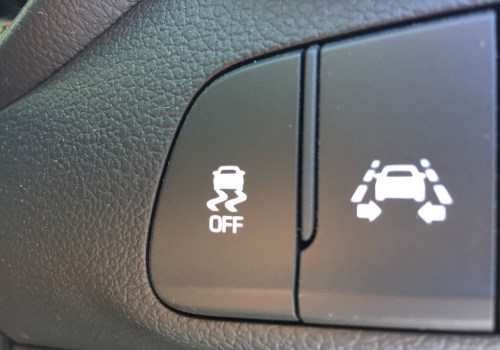
The Electronic Stability Control (ESC) system is a vital safety feature in modern vehicles, designed to enhance stability and control during challenging driving conditions. By automatically detecting and reducing loss of traction, ESC helps drivers maintain control of their vehicles, especially in situations where skidding or oversteering may occur. This system works in conjunction with other safety technologies, such as Anti-lock Braking Systems (ABS), to provide a comprehensive approach to vehicle stability. Understanding how the ESC system operates is crucial for every driver. When the system detects that the vehicle is losing traction, it intervenes by applying brakes to individual wheels and adjusting engine power as needed.
This process helps to correct the vehicle's path and prevent potential accidents. The importance of having the ESC system activated cannot be overstated; it significantly reduces the risk of rollovers and helps maintain control during sudden maneuvers or adverse weather conditions. Moreover, the ESC system is not just a passive safety feature; it actively engages with the driver’s inputs to ensure optimal performance. For instance, if a driver attempts to make a sharp turn too quickly, the ESC will automatically adjust braking force to help steer the vehicle back on course. This proactive approach makes it an essential component for both novice and experienced drivers alike. In summary, reactivating your ESC system is not merely a matter of convenience; it is a critical step in ensuring your safety on the road.
Understanding its functionality and importance can empower you as a driver, allowing you to make informed decisions about your vehicle's performance and safety features.
Common Reasons for ESC Deactivation
Understanding why your Electronic Stability Control (ESC) system may be deactivated is crucial for maintaining vehicle safety and performance. There are several common reasons that can lead to the ESC being turned off, ranging from user error to mechanical issues.- User Error: One of the most frequent causes of ESC deactivation is accidental user intervention. Many vehicles are equipped with a dedicated button to turn the ESC on or off. If this button is pressed inadvertently, the system will deactivate, and the ESC warning light will illuminate on the dashboard.
Always check your vehicle's manual for the location of this button and ensure it hasn't been accidentally engaged.
- Ignition Position: The ESC system may also remain off if the ignition switch is turned to the LOCK position while the system is deactivated. In such cases, when you restart the engine, the ESC should automatically reactivate. However, if it does not, further investigation may be necessary.
- Spare Tire Usage: Using a spare tire that differs in diameter from your regular tires can trigger the ESC light. This discrepancy can confuse the system, leading it to deactivate as a precautionary measure.
Always ensure that your spare tire matches the specifications of your vehicle's standard tires.
- Faulty Sensors: The ESC relies on various sensors to monitor vehicle dynamics. If any of these sensors malfunction or become damaged, it can lead to an automatic deactivation of the system. Common culprits include wheel speed sensors and steering angle sensors. Regular maintenance checks can help identify and rectify these issues before they affect your ESC.
- Electrical Issues: Problems with the vehicle's electrical system, such as blown fuses or wiring faults, can also cause the ESC to turn off unexpectedly.
If you notice other electrical anomalies in your vehicle, it’s advisable to have a professional inspect the electrical system.
How to Turn the ESC Back On
Reactivating your vehicle's Electronic Stability Control (ESC) system is essential for maintaining optimal safety and handling. If you find that your ESC has been turned off, follow these detailed steps to turn it back on.1.Check the Dashboard Indicators
- Before attempting to reactivate the ESC, take a moment to observe your dashboard. Look for any warning lights, particularly the ESC indicator, which may be illuminated.
- If the ESC light is on, it indicates that the system is currently disabled or experiencing an issue.
2.Locate the ESC Control Button
- Most vehicles are equipped with a dedicated button for the ESC system, often labeled as ESC, ESP, or DSC.
- This button is typically found on the center console or near the gear shift.
Refer to your vehicle's owner manual if you have trouble locating it.
3.Reactivate the ESC System
- Press and hold the ESC button for approximately three seconds. This action should reactivate the system.
- Observe the dashboard again; the ESC light should turn off, indicating that the system is now active.
4.Restart Your Vehicle
- If pressing the button does not work, try turning off your vehicle completely and then restarting it. In many cases, this will reset various systems, including ESC.
- After restarting, check if the ESC light remains off.
5.Consult Your Owner's Manual
- If you continue to experience issues with reactivating your ESC, consult your vehicle's owner's manual for specific instructions related to your make and model.
- The manual may provide additional troubleshooting steps or information about potential underlying issues affecting the ESC system.
6.Seek Professional Assistance
- If all else fails and you cannot turn on the ESC, it may be time to visit a certified mechanic or dealership. They can diagnose any underlying problems that may be preventing the system from functioning correctly.
- Remember that keeping your ESC operational is crucial for safe driving, especially in adverse weather conditions or challenging terrains.
Dashboard Indicators and Their Meanings
Understanding the various dashboard indicators related to the ESC system is crucial for every driver.These lights serve as a communication tool between your vehicle and you, providing essential information about the operational status of your car's systems. Here, we will delve into the meanings of these indicators, particularly focusing on the ESC light and its implications. The ESC light , often represented by a car icon with a skid mark or the letters "ESC," is a key indicator that informs you about the functionality of your vehicle's Electronic Stability Control system. When this light illuminates on your dashboard, it can signify several conditions:
- Normal Operation: When you start your vehicle, the ESC light may briefly illuminate as part of a self-check. This is normal and should turn off after a few seconds.
- System Activation: If the ESC light flashes while driving, it indicates that the system is actively working to maintain traction and stability.
This usually occurs during slippery conditions or sharp turns.
- System Malfunction: If the ESC light remains illuminated without flashing, it may indicate a malfunction within the system. In this case, it’s advisable to consult your vehicle’s manual or seek professional assistance.
- ABS Light: The Anti-lock Braking System (ABS) light may illuminate alongside the ESC light if there is an issue with either system. This could affect your braking performance.
- Tire Pressure Warning Light: If you are using a spare tire that differs in size from your regular tires, this warning may trigger the ESC light as well.
Regular maintenance checks can help prevent issues with the ESC system and keep your vehicle running smoothly. In summary, understanding what each dashboard indicator means—especially those related to the ESC system—is vital for safe driving. By paying attention to these lights and responding accordingly, you can enhance your driving experience and ensure that your vehicle remains in optimal condition.
When to Seek Professional Help
While many ESC issues can be resolved through simple troubleshooting, there are instances when seeking professional help becomes essential. Understanding when to consult a mechanic for ESC problems is crucial for ensuring your vehicle's safety and performance.Signs That Indicate Professional Assistance is Needed
- Persistent Warning Lights: If the ESC warning light remains illuminated on your dashboard after attempting to reset it, this could indicate a deeper issue that requires diagnostic tools only available at a repair shop.
- Unusual Vehicle Behavior: If you notice your vehicle behaving erratically, such as swerving unexpectedly or losing traction during normal driving conditions, it’s time to consult a professional. These symptoms may suggest that the ESC system is malfunctioning and not providing the necessary stability.
- Frequent Activation of ESC: If the ESC system activates more often than usual, especially in dry conditions, it may be a sign of a malfunction.
A mechanic can diagnose whether this is due to faulty sensors or other underlying issues.
- Aftermarket Modifications: If you have made modifications to your vehicle, such as changing tires or suspension components, it’s advisable to have the ESC system checked. Changes in tire size or suspension can affect how the ESC functions.
- Unresolved Issues After DIY Repairs: If you’ve attempted to troubleshoot or repair the ESC system yourself but have not resolved the issue, it’s best to seek professional help. Mechanics have specialized training and equipment to diagnose complex problems accurately.
The Importance of Proper Diagnosis
Diagnosing ESC failures requires specialized knowledge and tools. Mechanics use advanced diagnostic equipment to read error codes from the vehicle's computer system, which can pinpoint specific issues within the ESC.
This process not only saves time but also ensures that the correct repairs are made, preventing further complications down the line.
Safety First
Your safety and that of others on the road should always be your top priority. If you suspect any issues with your vehicle's stability control system, do not hesitate to reach out to a qualified mechanic. They can provide peace of mind by ensuring that your ESC system is functioning correctly and that your vehicle is safe to drive.
Maintaining Your ESC System for Optimal Performance
To ensure that your Electronic Stability Control (ESC) system operates at its best, regular maintenance is essential. Just like any other component of your vehicle, the ESC system requires attention to function effectively and to enhance your safety on the road.1.Regular System Checks
- Schedule routine inspections of your ESC system during regular vehicle maintenance appointments.
Mechanics can check for any error codes or malfunctions that may not be immediately apparent.
- Pay attention to the dashboard warning lights. If the ESC light remains illuminated after starting your vehicle, it may indicate a problem that needs addressing.
- Monitor the performance of your vehicle. If you notice unusual handling or stability issues, it could be a sign that the ESC system is not functioning correctly.
2.Tire Maintenance
- Ensure that all tires are properly inflated and have adequate tread depth. The ESC system relies on accurate wheel speed data, which can be affected by uneven tire wear or incorrect tire pressure.
- When replacing tires, use ones that match the specifications recommended by your vehicle manufacturer.
Mismatched tires can confuse the ESC system and lead to performance issues.
3.Brake System Care
- The ESC system works in conjunction with your vehicle's braking system. Regularly check brake pads, rotors, and fluid levels to ensure optimal performance.
- If you experience any issues with braking, such as a spongy pedal or unusual noises, have them inspected immediately as they can impact the effectiveness of the ESC.
4.Software Updates
- Some vehicles may require software updates for their ESC systems. Check with your dealership for any available updates that could enhance functionality and performance.
- Keep an eye on recalls related to your vehicle model that may affect the ESC system and address them promptly.
5.Professional Assistance
- If you suspect any issues with your ESC system, consult a professional mechanic who specializes in electronic systems. They can perform diagnostic tests to identify and rectify problems effectively.
- Consider having a comprehensive inspection performed if you frequently drive in challenging conditions, such as rain or snow, where the ESC system is put to the test.
Frequently Asked Questions about the ESC System
Understanding the Electronic Stability Control (ESC) system can be crucial for maintaining vehicle safety and performance.Below are some frequently asked questions that can help clarify common concerns and troubleshooting tips related to the ESC system.
- What is the purpose of the ESC system?
The ESC system is designed to enhance vehicle stability by detecting and reducing loss of traction. It helps prevent skidding and loss of control during slippery conditions or sudden maneuvers. - How do I know if my ESC system is functioning properly?
When you start your vehicle, the ESC light on your dashboard should illuminate briefly and then turn off. If the light remains on or flashes while driving, it indicates that the system is actively working to maintain control or that there may be an issue. - What should I do if the ESC light stays on?
If the ESC light remains illuminated, it may indicate a malfunction. Check your owner’s manual for specific guidance, and consider having your vehicle inspected by a professional mechanic to diagnose any underlying issues. - Can I turn off the ESC system?
Yes, many vehicles allow you to disable the ESC system using a button on the dashboard.However, it is generally recommended to keep it activated for safety reasons unless you are in specific situations like off-road driving.
- What happens if I use a spare tire with a different size?
Using a spare tire that differs in diameter from your regular tires can trigger the ESC light. This is because the system detects discrepancies in wheel speed and may interpret it as a loss of traction. - Is it safe to drive with the ESC light on?
Driving with the ESC light on can be risky, as it may indicate that your vehicle's stability control features are compromised. It’s advisable to have your vehicle checked as soon as possible.
Conclusion: Ensuring Your Safety with a Functional ESC System
In conclusion, maintaining a fully operational Electronic Stability Control (ESC) system is crucial for ensuring your safety on the road. As we have discussed, the ESC system plays a vital role in enhancing vehicle stability, especially during challenging driving conditions such as wet or icy roads.By actively monitoring your vehicle's traction and steering, the ESC system helps prevent skidding and loss of control, which can lead to serious accidents. It is essential to recognize the signs that indicate your ESC system may be disabled. If you notice the ESC warning light illuminated on your dashboard, it is a clear signal that you should take immediate action. Ignoring this warning could compromise your vehicle's handling and increase the risk of an accident. To turn the ESC back on, simply locate the ESC button on your dashboard and press it for a few seconds. If the light does not turn off after this action, it may indicate a deeper issue that requires professional attention.
Regular maintenance checks can help ensure that your ESC system remains functional and responsive. Moreover, understanding how your vehicle's ESC interacts with other systems, such as Anti-lock Braking Systems (ABS), can provide valuable insights into its operation. The integration of these technologies is designed to work seamlessly together to enhance overall vehicle safety. As a responsible driver, it is imperative to stay informed about your vehicle's features and functionalities. Regularly reviewing your owner's manual and consulting with a qualified technician can help you keep your ESC system in optimal condition. In summary, prioritizing the functionality of your ESC system not only protects you but also safeguards other road users. Make it a habit to check your vehicle's systems regularly and address any issues promptly.
Your safety depends on it.