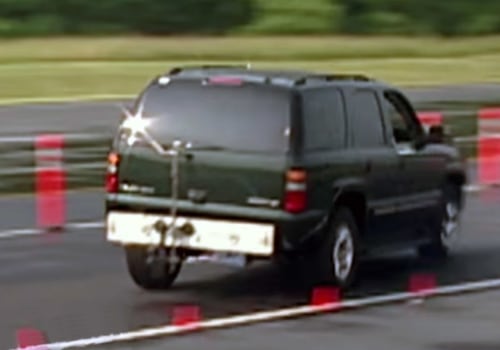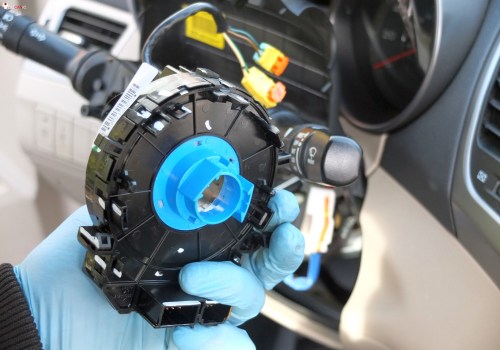
In the realm of modern vehicle safety technology, the Electronic Stability Control (ESC) system stands out as a pivotal advancement designed to enhance driver control and prevent accidents. This sophisticated system plays a crucial role in maintaining vehicle stability, particularly during challenging driving conditions such as sharp turns, sudden stops, or slippery roads. By automatically adjusting the brakes on individual wheels, the ESC system helps to counteract skidding and loss of traction, allowing drivers to maintain better control over their vehicles. Just as an emergency fund provides financial security in unexpected situations, the ESC system offers drivers peace of mind by enhancing safety on the road. The significance of the system stands out as a pivotal advancement designed to enhance driver control and prevent accidents. This sophisticated system plays a crucial role in maintaining vehicle stability, particularly during challenging driving conditions such as sharp turns, sudden stops, or slippery roads. By automatically adjusting the brakes on individual wheels, the ESC system helps to counteract skidding and loss of traction, allowing drivers to maintain better control over their vehicles. Just as an emergency fund provides financial security in unexpected situations, the ESC system offers drivers peace of mind by enhancing safety on the road. The significance of the ESC system cannot be overstated.
It serves as a vital safety net that works in conjunction with other systems like Anti-lock Braking Systems (ABS) and Traction Control Systems (TCS). While ABS prevents wheel lock-up during braking, and TCS helps manage wheel spin during acceleration, ESC takes it a step further by actively monitoring the vehicle's dynamics. It assesses factors such as steering angle, wheel speed, and lateral acceleration to determine if the vehicle is following the driver's intended path. If it detects a deviation—such as oversteering or understeering—it intervenes by selectively applying brakes to individual wheels, effectively guiding the vehicle back on track. As we delve deeper into the workings of the Electronic Stability Control system, it becomes clear that its implementation has significantly reduced the incidence of rollovers and loss-of-control crashes.
In fact, numerous studies have shown that vehicles equipped with ESC are less likely to be involved in fatal accidents compared to those without this technology. This makes understanding how ESC functions not only relevant but essential for anyone looking to enhance their knowledge of vehicle safety features. In this article, we will explore the intricacies of the ESC system, its operational mechanisms, and its impact on overall driving safety. By understanding how this technology works and its benefits, drivers can make informed decisions about their vehicles and prioritize safety on the road.
What is the ESC System?
The Electronic Stability Control (ESC) system is a crucial safety feature designed to enhance vehicle stability and control, particularly in challenging driving conditions. It works by automatically detecting and reducing loss of traction, helping drivers maintain control during sudden maneuvers or adverse weather conditions. At its core, the ESC system integrates several components that work together to monitor and adjust the vehicle's dynamics.These components include:
- Wheel Speed Sensors: These sensors are located at each wheel and continuously monitor the speed of the wheels. They provide real-time data to the ESC system, allowing it to detect any discrepancies in wheel speed that may indicate a loss of traction.
- Steering Angle Sensor: This sensor measures the angle of the steering wheel, helping the ESC system determine the driver's intended direction. By comparing this data with the actual direction of the vehicle, the system can identify potential skidding or loss of control.
- Yaw Rate Sensor: This component measures the vehicle's rotation around its vertical axis. It helps assess whether the car is turning as intended or if it is beginning to skid.
-
Braking System: The ESC system is integrated with the vehicle's braking system, allowing it to apply brakes selectively to individual wheels.
This targeted braking helps correct oversteer or understeer by adjusting the vehicle's trajectory.
While it significantly enhances safety, it is essential for drivers to remain vigilant and practice safe driving habits at all times.
How Does ESC Work?
The Electronic Stability Control (ESC) system operates through a sophisticated interplay of various components designed to enhance vehicle stability and safety. At its core, ESC relies on a network of sensors that continuously monitor the vehicle's dynamics, including speed, steering angle, and lateral acceleration. These sensors provide real-time data to the ESC control unit, which processes the information to determine whether the vehicle is maintaining its intended path. When a driver makes a sudden maneuver or encounters slippery conditions, the ESC system springs into action. It assesses the vehicle's trajectory against the driver's steering input.If it detects a discrepancy—such as when the car begins to skid or lose traction—the system intervenes by selectively applying the brakes to individual wheels. This targeted braking helps to correct the vehicle's path and restore stability. For instance, if the rear wheels start to slide out during a turn, ESC may apply the brakes to the front wheels or even one of the rear wheels to counteract the skid. This precise control allows for better handling and can prevent potential accidents caused by oversteering or understeering. In addition to braking interventions, ESC also works in conjunction with other safety systems like Anti-lock Braking System (ABS). While ABS prevents wheel lock-up during hard braking, ESC enhances overall vehicle control by managing traction and stability.
Together, these systems create a comprehensive safety net that significantly reduces the likelihood of losing control in challenging driving conditions. Moreover, modern vehicles equipped with ESC often feature advanced algorithms that adapt to various driving scenarios. For example, in off-road conditions or during inclement weather, the system can adjust its response based on factors such as road surface and vehicle load. This adaptability is crucial for maintaining optimal performance across diverse environments. In summary, the ESC technology is an essential component of modern automotive safety. By utilizing a combination of sensors and intelligent braking strategies, it plays a vital role in enhancing vehicle dynamics and ensuring that drivers maintain control even in precarious situations.
The Benefits of Electronic Stability Control
Electronic Stability Control (ESC) offers a multitude of benefits that significantly enhance vehicle safety and handling.One of the primary advantages of the ESC system is its ability to reduce the risk of skidding, particularly during sharp turns or sudden maneuvers. By automatically applying brakes to individual wheels, ESC helps maintain traction and stability, allowing drivers to navigate challenging driving conditions with greater confidence. In adverse weather conditions, such as rain, snow, or ice, the benefits of ESC become even more pronounced. The system continuously monitors the vehicle's movement and can detect when it begins to lose grip on the road. In these situations, ESC intervenes by selectively braking wheels to counteract oversteer or understeer, effectively guiding the vehicle back on course.
This proactive approach not only enhances handling but also minimizes the likelihood of accidents caused by loss of control. Another significant advantage of the electronic stability control system is its contribution to overall vehicle safety. Studies have shown that vehicles equipped with ESC are less likely to be involved in fatal crashes compared to those without this technology. By improving a driver's ability to maintain control during critical situations, ESC plays a vital role in reducing the severity and frequency of accidents. Moreover, many modern vehicles integrate ESC with other safety features, such as anti-lock braking systems (ABS) and traction control systems (TCS). This synergy enhances the overall effectiveness of these technologies, providing a comprehensive safety net for drivers.
For instance, while ABS prevents wheel lock-up during hard braking, ESC ensures that the vehicle remains stable and on its intended path. In summary, the benefits of Electronic Stability Control extend beyond mere convenience; they are essential for enhancing driving safety and performance. By reducing skidding risks, improving handling in adverse conditions, and contributing to overall vehicle safety, ESC represents a significant advancement in automotive technology that every driver should appreciate.
ESC vs. Other Safety Systems: Understanding the Differences
When discussing vehicle safety systems, it is essential to understand how the Electronic Stability Control (ESC) system compares to other technologies like the Anti-lock Braking System (ABS) and the Traction Control System (TCS). Each of these systems plays a unique role in enhancing vehicle safety, and together they create a comprehensive safety net for drivers.Anti-lock Braking System (ABS)
is designed to prevent the wheels from locking up during hard braking.
This is particularly crucial in emergency situations where a driver needs to stop quickly. When ABS is activated, it modulates brake pressure to ensure that the wheels continue to rotate, allowing the driver to maintain steering control. This system is especially beneficial on slippery surfaces, as it helps prevent skidding and loss of control. On the other hand, Traction Control System (TCS) works in conjunction with ABS but focuses primarily on preventing wheel spin during acceleration. TCS monitors the speed of each wheel and can apply brakes to individual wheels or reduce engine power when it detects that one or more wheels are losing traction.
This is particularly useful when driving on wet or icy roads, as it helps maintain grip and stability during acceleration.
Electronic Stability Control (ESC)
, while related to both ABS and TCS, serves a different purpose. ESC is designed to help drivers maintain control of their vehicle during extreme steering maneuvers or when skidding occurs. It does this by automatically applying brakes to individual wheels, counteracting oversteer or understeer conditions. For instance, if a driver turns too sharply and begins to lose control, ESC can apply brakes to the outer wheels to help steer the vehicle back on course.
The key differences between these systems lie in their specific functions:
- ABS: Prevents wheel lock-up during braking.
- TCS: Prevents wheel spin during acceleration.
- ESC: Helps maintain vehicle control during skids and extreme maneuvers.
For example, a car equipped with all three systems can provide better handling and stability in various driving conditions. Understanding these differences can help drivers appreciate the advanced technology in their vehicles and encourage safer driving practices.
Common Misconceptions About ESC
Despite the significant advancements in vehicle safety technology, there are still many misconceptions surrounding the Electronic Stability Control (ESC) system. Understanding these myths is crucial for drivers to fully appreciate the capabilities and limitations of this important safety feature.Myth 1: ESC Can Prevent All Accidents
One of the most common misconceptions is that ESC can completely prevent accidents. While it significantly enhances vehicle stability and helps maintain control during challenging driving conditions, it is not a substitute for safe driving practices.
ESC is designed to assist drivers in maintaining control, but it cannot eliminate the risk of accidents caused by reckless driving or extreme weather conditions.
Myth 2: ESC Works Only in Wet Conditions
Another prevalent myth is that ESC is only beneficial in wet or slippery conditions. In reality, the system is effective in a variety of situations, including dry roads. It helps manage oversteer and understeer, which can occur even on dry pavement during sharp turns or sudden maneuvers. Therefore, relying solely on ESC in any driving condition can lead to dangerous situations.
Myth 3: Turning Off ESC Improves Performance
Some drivers believe that disabling the ESC system can enhance their vehicle's performance, especially in sports driving scenarios.
However, this is a dangerous misconception. Turning off ESC removes a critical layer of safety that helps prevent loss of control. While experienced drivers may feel they can handle their vehicles without assistance, the unpredictable nature of road conditions can quickly lead to loss of control.
Myth 4: ESC Is the Same as Traction Control
Many people confuse ESC with traction control systems (TCS). While both systems aim to improve vehicle stability, they serve different purposes.
TCS primarily prevents wheel spin during acceleration by applying brakes to individual wheels or reducing engine power. In contrast, ESC actively monitors vehicle dynamics and intervenes when it detects a loss of control, making it a more comprehensive safety feature.
Myth 5: All Vehicles Have ESC
Lastly, not all vehicles are equipped with an ESC system. While it has become standard in many modern cars, some older models may lack this technology. It’s essential for potential car buyers to verify whether a vehicle includes ESC as part of its safety features.
By debunking these common misconceptions about the ESC system, drivers can better understand its role in enhancing vehicle safety and make informed decisions while on the road.
Troubleshooting ESC Issues: What to Do When the Light Comes On
When the ESC light illuminates on your dashboard, it serves as a crucial alert regarding the functionality of your vehicle's Electronic Stability Control system.Understanding what this warning means and how to respond is essential for maintaining safety on the road. First, it’s important to recognize that the ESC light can indicate various issues. Here are some common scenarios:
- Normal Operation: Sometimes, the ESC light may briefly illuminate when you start your vehicle. This is a normal part of the system's self-check process.
- Traction Control Activation: If the light comes on while driving, it may indicate that the ESC system is actively working to maintain traction, especially in slippery conditions.
- System Malfunction: A persistent ESC light could signal a malfunction within the system, which may require immediate attention.
- Check Your Owner's Manual: Refer to your vehicle's owner manual for specific information regarding the ESC system and what the warning light indicates for your make and model.
- Assess Driving Conditions: Consider whether you are driving in adverse weather conditions. If so, it may simply be a sign that the system is engaged to help maintain control.
-
Inspect for Other Warning Lights: Look for any additional warning lights on your dashboard.
If other lights are illuminated, it may indicate a broader issue that needs addressing.
- Restart Your Vehicle: Sometimes, turning off your vehicle and restarting it can reset the system. If the light remains on after restarting, further investigation is necessary.
The Future of Electronic Stability Control Technology
The landscape of automotive safety is rapidly evolving, and the future of Electronic Stability Control (ESC) technology is poised to play a pivotal role in this transformation.As vehicles become increasingly sophisticated, integrating advanced technologies such as artificial intelligence and machine learning, the ESC system will likely undergo significant enhancements to improve vehicle stability and safety. One of the most promising advancements in ESC technology is its potential integration with autonomous driving systems. As self-driving cars become more prevalent, the need for robust stability control systems will be paramount. Future ESC systems may not only react to driver inputs but also anticipate potential loss of control scenarios based on real-time data from various sensors. This could include information from radar, lidar, and cameras that monitor road conditions and vehicle dynamics. Moreover, the next generation of ESC technology could leverage vehicle-to-vehicle (V2V) and vehicle-to-infrastructure (V2I) communication.
By sharing data with other vehicles and traffic management systems, an advanced ESC could receive alerts about hazardous conditions ahead, allowing it to preemptively adjust braking and steering responses. This proactive approach could significantly reduce the likelihood of accidents caused by skidding or loss of traction. In addition to these technological advancements, manufacturers are also focusing on enhancing the user experience related to ESC systems. Future vehicles may feature more intuitive interfaces that provide real-time feedback on the status of the ESC system, helping drivers understand when it is active and how it is functioning. This transparency can foster greater trust in the technology and encourage safer driving behaviors. Furthermore, as electric vehicles (EVs) gain popularity, the integration of ESC with regenerative braking systems presents another exciting avenue for development.
By optimizing how braking is applied during both normal driving and emergency situations, future ESC systems could enhance energy efficiency while maintaining superior control. In conclusion, the future of ESC technology is bright, with numerous advancements on the horizon that promise to enhance vehicle safety significantly. As we move towards a more automated and connected automotive environment, the evolution of Electronic Stability Control will be crucial in ensuring that vehicles remain stable and safe under a variety of driving conditions.
Conclusion: The Importance of Understanding Your Vehicle's ESC System
In summary, understanding your vehicle's Electronic Stability Control (ESC) system is crucial for enhancing your safety on the road. This advanced technology plays a vital role in maintaining vehicle stability, especially during challenging driving conditions such as sharp turns, sudden stops, or slippery surfaces. By automatically applying brakes to individual wheels, the ESC system helps prevent skidding and loss of control, significantly reducing the likelihood of accidents. Moreover, being aware of how the ESC system functions can empower drivers to make informed decisions while behind the wheel.For instance, recognizing the significance of the ESC warning light can alert you to potential issues with the system or indicate that you may need to adjust your driving behavior in adverse conditions. It is essential to remember that while ESC is a powerful tool for enhancing safety, it is not a substitute for responsible driving practices. Additionally, regular maintenance and checks of your vehicle's ESC system are imperative. If you notice any irregularities, such as the ESC light remaining illuminated or unusual handling characteristics, it is advisable to consult a professional mechanic promptly. This proactive approach ensures that your vehicle remains equipped with fully functional safety features. Ultimately, understanding the intricacies of your vehicle's ESC system not only enhances your driving experience but also contributes to overall road safety.
As technology continues to evolve, staying informed about these systems will help you navigate the complexities of modern vehicles with confidence and assurance.